A Floral Frenzy: Miami’s Role in the Valentine’s Day Bloom
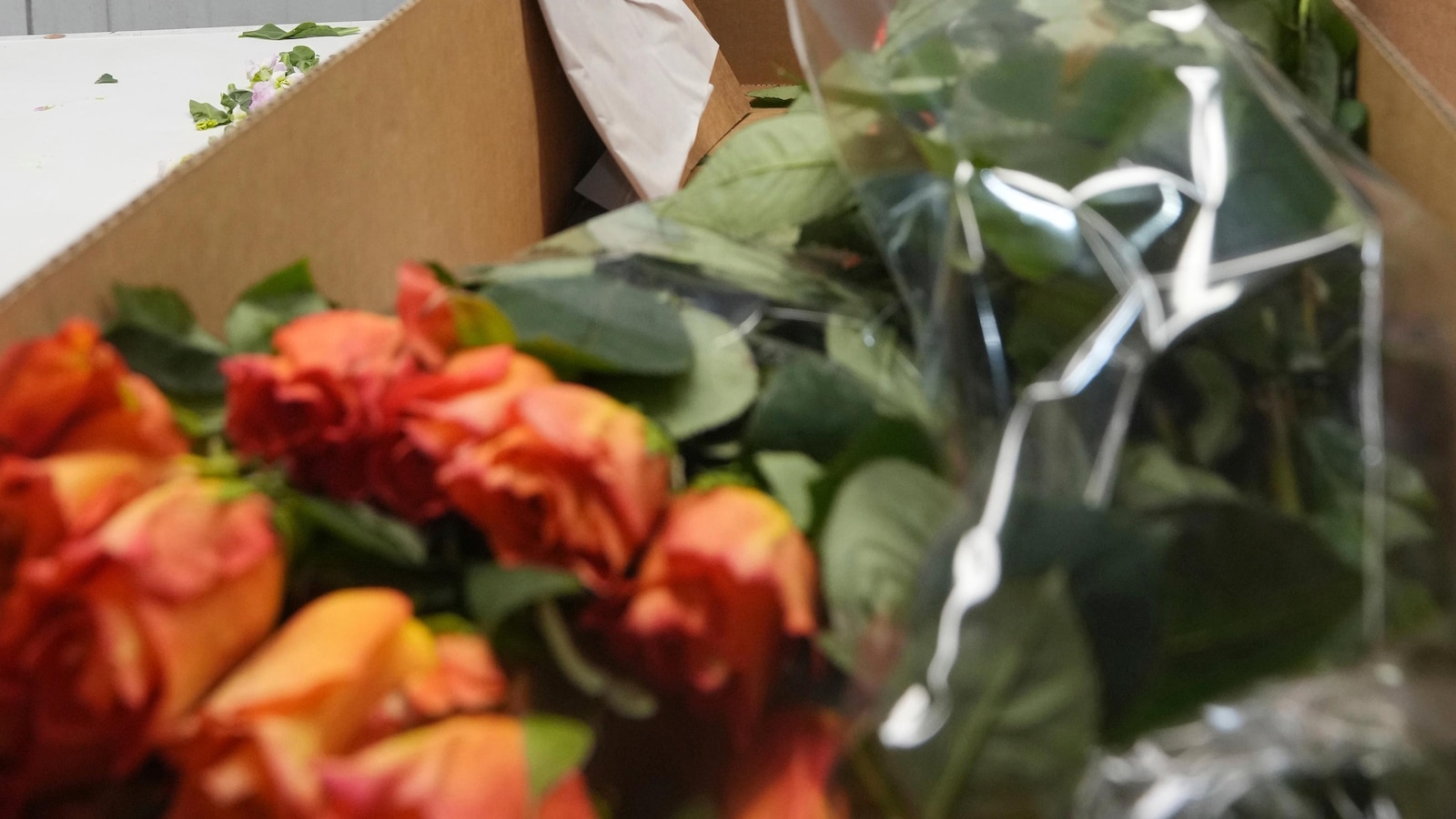
As Valentine’s Day approaches, Miami is set to become a breathtaking canvas filled with color and fragrance, as it prepares for an extraordinary influx of 940 million blooms. This floral frenzy not only emphasizes the city’s status as a crucial distribution hub for flowers across the United States, but it also unveils the complex logistics and efforts involved in delivering love and beauty nationwide. Understanding this remarkable event provides insight into the floral industry, the cultural significance of flowers, and the intricate planning that goes into making Valentine’s Day special for millions.
The Significance of Flowers on Valentine’s Day
Valentine’s Day has long been associated with the exchange of flowers, particularly roses, which symbolize love, passion, and beauty. In fact, statistics show that nearly 250 million roses are grown specifically for this occasion. But it’s not just roses that capture the hearts of gift-givers; a variety of blooms such as tulips, lilies, and daisies also play a significant role in expressing affection and admiration.
The custom of giving flowers on Valentine’s Day dates back to the 18th century, but it has evolved into a global phenomenon that generates billions of dollars in sales each year. The sheer volume of flowers ordered and delivered during this time demonstrates the emotional connection people have to their floral gifts. In Miami, the upcoming 940 million blooms are expected to satisfy this demand, showcasing the city’s pivotal role in the floral supply chain.
Miami: The Floral Capital of the Nation
Miami serves as a vital distribution point for flowers entering the U.S. from various international sources, particularly from countries in South America like Colombia and Ecuador. These regions are known for their ideal climate for flower cultivation, producing an impressive array of blooms that make their way to Miami’s bustling floral markets.
During the weeks leading up to Valentine’s Day, Miami’s wholesale flower markets experience a significant increase in activity. The city becomes a hive of activity as vendors prepare to meet the overwhelming demand. Here’s how Miami’s floral distribution system operates:
- Importation: Flowers are imported primarily from Latin America, arriving at Miami International Airport and local ports.
- Distribution: Once in Miami, the flowers are sorted and distributed to local florists, grocery stores, and online retailers across the country.
- Logistics: The logistics of transporting these delicate items require careful planning, including refrigeration and quick delivery to ensure freshness.
The Logistics Behind the Bloom
The logistics of handling 940 million blooms is no small feat. In the weeks leading up to Valentine’s Day, businesses must coordinate with growers, transporters, and retailers to ensure every flower arrives in peak condition. Here’s a closer look at the key components involved in this intricate process:
1. Supply Chain Management
Effective supply chain management is crucial in the floral industry, especially during peak seasons like Valentine’s Day. Florists and wholesalers must forecast demand accurately to avoid shortages or excess stock. This involves:
- Analyzing past sales data.
- Communicating with suppliers to ensure adequate inventory.
- Adjusting logistics plans based on weather conditions that could impact transportation.
2. Transportation and Handling
Once flowers arrive in Miami, they are quickly transported to cooling facilities where they are stored until distribution. Keeping flowers at the right temperature is essential to prolong their lifespan. Transportation methods often include:
- Refrigerated Trucks: These ensure that flowers remain fresh as they travel to retailers.
- Air Freight: For those last-minute orders, expedited air shipping is often used.
3. Technology in the Floral Industry
Technology plays a vital role in streamlining operations and enhancing efficiency. Companies are leveraging software solutions for:
- Inventory management.
- Order tracking.
- Customer relationship management.
These tools help florists manage their stock levels effectively and maintain communication with customers, ensuring that everyone gets their blooms on time.
The Economic Impact of Floral Sales
The floral industry is not only about aesthetics; it also has significant economic implications. The influx of 940 million blooms results in substantial revenue generation for Miami and beyond. Key economic impacts include:
- Job Creation: The growth and distribution of flowers create numerous jobs, from farm workers to logistics managers.
- Revenue for Local Businesses: Local florists benefit from increased sales, often experiencing a 25-30% increase in sales during the Valentine’s season.
- Investment in Infrastructure: The demand for flowers drives improvements in transportation and logistics infrastructure, benefiting other sectors as well.
Sustainable Practices in the Floral Industry
As the floral industry continues to grow, there is an increasing emphasis on sustainability. Many growers and distributors are adopting eco-friendly practices to reduce their environmental impact. These practices include:
- Water Conservation: Implementing systems to minimize water usage in flower cultivation.
- Organic Farming: Growing flowers without harmful pesticides or chemicals.
- Recycling and Reusing: Using biodegradable materials in packaging to reduce waste.
These initiatives not only cater to environmentally conscious consumers but also enhance the overall sustainability of the floral industry.
Conclusion: A Celebration of Love Through Blooms
The upcoming Valentine’s Day will be a spectacular showcase of Miami’s role in the floral industry, highlighted by the remarkable 940 million blooms set to transform the city. This floral frenzy encapsulates the essence of love and beauty, while also underscoring the intricate logistics and economic significance behind the floral trade. As couples prepare to express their affection through flowers, Miami stands ready to deliver love across the nation, one bloom at a time.
Ultimately, the floral frenzy is not just about the flowers; it’s about the emotions they evoke, the relationships they strengthen, and the joy they bring to countless individuals celebrating love this Valentine’s Day.
See more BuzzFeed Insider