Tatum O’Neal Reflects on Healing: Moving Beyond Anger with John McEnroe
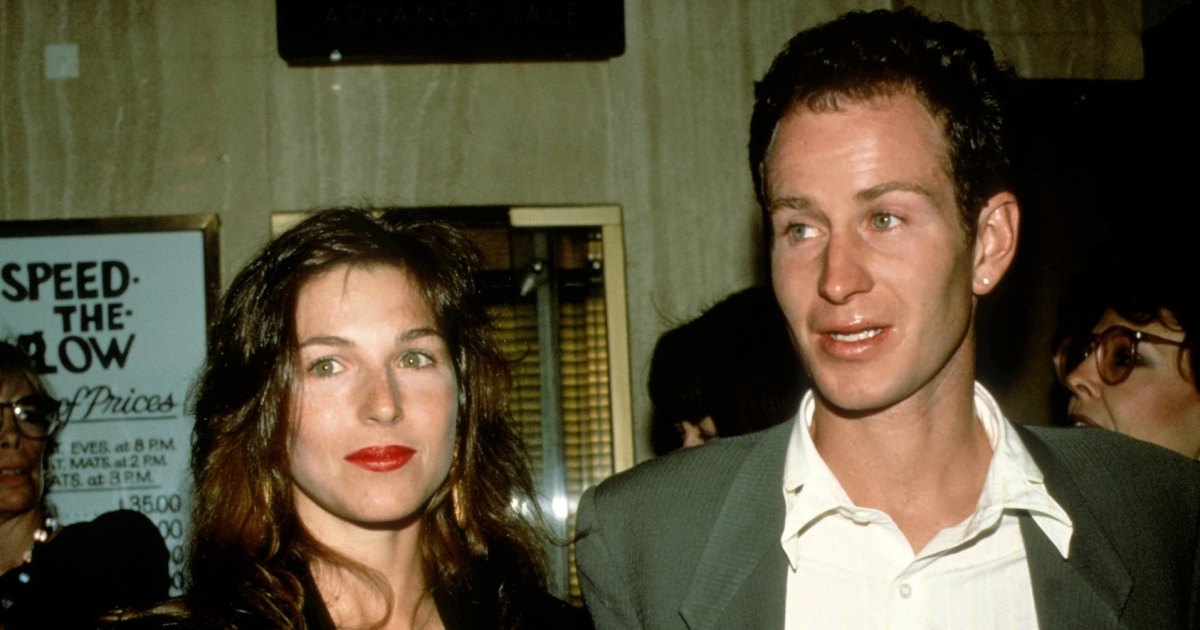
In a revealing and heartfelt interview, actress Tatum O’Neal opened up about her transformative journey of emotional healing and forgiveness towards her ex-husband, tennis legend John McEnroe. Their tumultuous relationship, fraught with challenges, has often been a subject of public scrutiny. However, O’Neal’s reflections shed light on how she has navigated the complexities of anger and resentment, ultimately leading to personal growth and understanding.
The Journey of Forgiveness
Forgiveness is often portrayed as a lofty ideal, yet Tatum O’Neal’s experience demonstrates that it can be a practical and essential step towards emotional freedom. O’Neal shared that for many years, she harbored deep-seated anger towards McEnroe, a sentiment that colored her emotional landscape and affected her well-being. The couple’s marriage, which began in the late 1980s, was marked by both passionate love and significant strife.
“For a long time, I was angry,” O’Neal admitted during the interview. “But I realized that holding onto that anger was only hurting me.” This realization became a crucial turning point in her life. The process of letting go of resentment allowed her to reclaim her narrative and focus on healing rather than dwelling on past grievances.
Understanding the Roots of Anger
To move beyond anger, it’s essential to understand its roots. O’Neal reflected on the dynamics of her relationship with McEnroe, acknowledging how their individual struggles and the pressures of fame contributed to their marital discord. The couple experienced intense public scrutiny as well as personal battles, which exacerbated their conflicts.
One of the key aspects of her healing journey involved recognizing that McEnroe was also a product of his circumstances. “He was going through his own battles, and I had to accept that,” O’Neal said. This understanding opened the door to compassion, allowing her to see McEnroe not just as an ex-husband, but as a human being grappling with his own difficulties.
The Role of Self-Reflection
Self-reflection played an instrumental role in O’Neal’s journey. By looking inward and assessing her own feelings, she was able to identify patterns that perpetuated her anger. She emphasized the importance of self-awareness in the healing process, stating, “You can’t change what you don’t acknowledge.” This approach encouraged her to confront her own emotions rather than projecting them onto McEnroe.
- Journaling: O’Neal took to writing as a therapeutic outlet. Journaling allowed her to articulate her feelings and gain clarity on her thoughts.
- Therapy: Seeking professional guidance helped her navigate her emotions and develop healthier coping strategies.
- Mindfulness: Practicing mindfulness techniques enabled her to stay present and reduce anxiety about past events.
Embracing Compassion and Empathy
As O’Neal moved through her healing process, she developed a deeper sense of compassion—not just for McEnroe, but for herself as well. She acknowledged the importance of self-love and the need to forgive herself for any perceived shortcomings in her past. “I had to realize that I did my best with the tools I had at the time,” she noted. This self-compassion allowed her to view her past mistakes through a lens of understanding rather than judgment.
O’Neal’s journey is a reminder that healing is not a linear process; it involves ups and downs, moments of clarity, and periods of uncertainty. Her ability to embrace compassion has enriched her personal growth, and she encourages others to do the same.
Redefining Relationships
Through her healing journey, O’Neal has also gained insights into the nature of relationships. She emphasized that moving beyond anger does not necessarily mean reconciling with the other person, but rather finding peace within oneself. “It’s about creating space for love, even if it’s not between you and the other person,” she explained.
For O’Neal, redefining her relationship with McEnroe meant accepting their shared history without allowing it to define her present. This acceptance has allowed her to interact with McEnroe in a more positive and constructive manner, particularly co-parenting their children. “We have a responsibility to our kids to show them what healthy relationships look like,” she asserted.
Lessons Learned and Moving Forward
Tatum O’Neal’s reflections on healing and moving beyond anger provide profound insights into the complexities of human relationships. Some key takeaways from her journey include:
- Letting Go of Resentment: Holding onto anger only prolongs pain; forgiveness can be liberating.
- Understanding Others: Empathy plays a crucial role in fostering healthier relationships.
- Self-Reflection: Taking time to understand oneself is vital for personal growth.
- Redefining Relationships: It’s possible to create a new narrative that promotes peace and understanding.
As O’Neal continues to navigate her life post-divorce, she remains a beacon of hope for those grappling with similar struggles. Her journey illustrates that emotional healing is possible and that forgiveness is a powerful tool that can reshape our lives.
Conclusion
Tatum O’Neal’s candid reflections on her journey of healing and forgiveness with John McEnroe resonate with many who have faced the trials of broken relationships. By confronting her anger and choosing to embrace compassion, O’Neal has not only transformed her relationship with McEnroe but has also enriched her own life. Her story serves as a reminder that healing is an ongoing process, and by letting go of the past, we can open ourselves up to a future filled with peace, understanding, and love.
See more BuzzFeed Insider