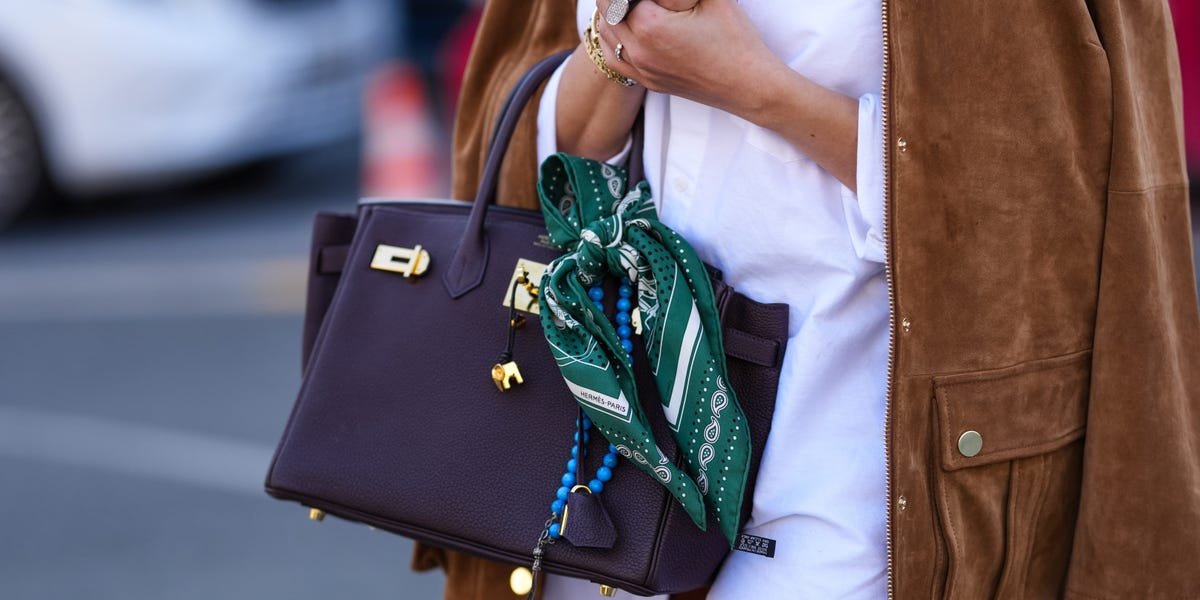
The Rising Cost of Luxury: What to Expect from Designer Bags in the U.S.
American luxury shoppers are facing sticker shock as high-end handbag prices surge due to inflation, supply chain disruptions, and increased production costs. Major fashion houses like Chanel, Louis Vuitton, and Gucci have announced price hikes of 10-25% in 2024, with some iconic bags now costing twice their 2020 prices. Experts attribute this trend to rising material costs, wage pressures, and strong demand from affluent consumers.
Why Designer Bag Prices Are Skyrocketing
The luxury handbag market has defied broader economic headwinds, with global sales growing 15% year-over-year despite inflationary pressures. However, this growth comes at a cost for consumers. Three primary factors are driving prices upward:
- Material costs: Premium leather prices have increased 18% since 2021, while metal hardware costs rose 22%
- Labor expenses: Artisan wages in European workshops have climbed 12-15% post-pandemic
- Operational challenges: Shipping and logistics costs remain 30% above pre-pandemic levels
“Luxury brands are facing the same inflationary pressures as other industries, but their customer base is less price-sensitive,” explains fashion economist Dr. Helena Rothschild. “This creates a perfect storm where brands can pass along costs while maintaining demand.”
How Major Brands Are Adjusting Their Pricing Strategies
Chanel made headlines last year when its Medium Classic Flap Bag crossed the $10,000 threshold—a 130% increase since 2016. The brand now implements biannual price adjustments rather than annual increases. Meanwhile, Louis Vuitton has shifted toward limited-edition releases that command premium pricing, with their average handbag price climbing 18% in 2023 alone.
Industry analyst Mark Patterson notes: “We’re seeing strategic segmentation where entry-level luxury bags (under $2,000) see modest 5-8% increases, while flagship products jump 15-20%. Brands are protecting accessibility while elevating their most coveted items.”
The Consumer Impact: Who’s Still Buying?
Despite rising prices, luxury handbag sales continue growing among high-net-worth individuals. A recent Morgan Stanley report revealed:
- The top 10% of luxury consumers account for 60% of handbag purchases
- 45% of buyers consider designer bags “investment pieces” rather than discretionary purchases
- Resale values for certain styles (like Hermès Birkins) now exceed retail prices
However, aspirational buyers are feeling squeezed. Social media manager Jessica Tan, 28, shared: “I used to save for 6 months for a Gucci bag—now it takes a year. At some point, I have to ask if it’s worth it.”
The Secondary Market Boom
As retail prices climb, the pre-owned luxury market is thriving. Platforms like The RealReal report:
- 40% year-over-year growth in designer handbag sales
- Average resale prices up 22% for well-maintained pieces
- Increased demand for discontinued styles that avoid current retail pricing
“The resale market offers relative bargains,” notes luxury consignment expert David Chen. “A two-year-old Chanel in excellent condition might cost 30% less than today’s retail price, making it attractive to cost-conscious luxury shoppers.”
What’s Next for Luxury Handbag Prices?
Industry analysts predict continued price increases through 2025, though at a potentially slower pace. Key factors to watch include:
- Potential softening of leather and transportation costs
- Changing consumer sentiment amid economic uncertainty
- Brand investments in production efficiency
Dr. Rothschild cautions: “There’s a ceiling to how much even luxury consumers will pay. Brands walking the tightrope between exclusivity and accessibility may need to rethink strategies if demand softens.”
For shoppers, experts recommend prioritizing timeless styles with strong resale value, considering pre-owned options, and monitoring brand announcement cycles—many houses implement price hikes at predictable intervals. As the luxury landscape evolves, informed buying decisions become increasingly valuable.
Considering a luxury purchase? Compare retail and resale prices across multiple platforms, and focus on classic designs that retain value over seasonal trends.
See more BuzzFeed Insider