Culinary Showdown: How Tariff Wars Are Shaping America’s Food Culture
As the prospect of a tariff war looms, American food enthusiasts are preparing for potential shifts in their culinary landscape. The implications of these tariffs extend far beyond the realm of economics; they are poised to reshape the very fabric of America’s food culture. In this article, we will delve into the multifaceted effects of tariff wars on popular food products and the broader dining experience, exploring how they could redefine what it means to eat in America today and tomorrow.
The Basics of Tariff Wars
To understand how tariff wars impact food culture, we first need to grasp what tariffs are. Tariffs are taxes imposed on imported goods, aimed at making foreign products more expensive and, theoretically, encouraging consumers to buy domestic alternatives. While the intent behind these tariffs may be to bolster the economy, they often lead to increased prices for consumers and, in many cases, a transformation in food sourcing and production.
In recent years, the United States has seen several high-profile tariff disputes, particularly with countries like China, Mexico, and Canada. These disputes often result in retaliatory tariffs, which can create a snowball effect, leading to rising costs for farmers, producers, and ultimately, consumers.
The Impact on Popular Food Products
Let’s take a closer look at how tariff wars are reshaping popular food items in America:
- Meat and Poultry: Tariffs on imported meats, particularly from countries like Brazil and Argentina, have led to increased prices for consumers. American farmers and ranchers may benefit in the short term, but the long-term effects could lead to less variety in the meat market.
- Cheese and Dairy: The United States imports a significant amount of cheese from countries like France and Italy. Tariffs can lead to higher prices for specialty cheeses, which could push consumers toward domestic options, altering the cheese landscape dramatically.
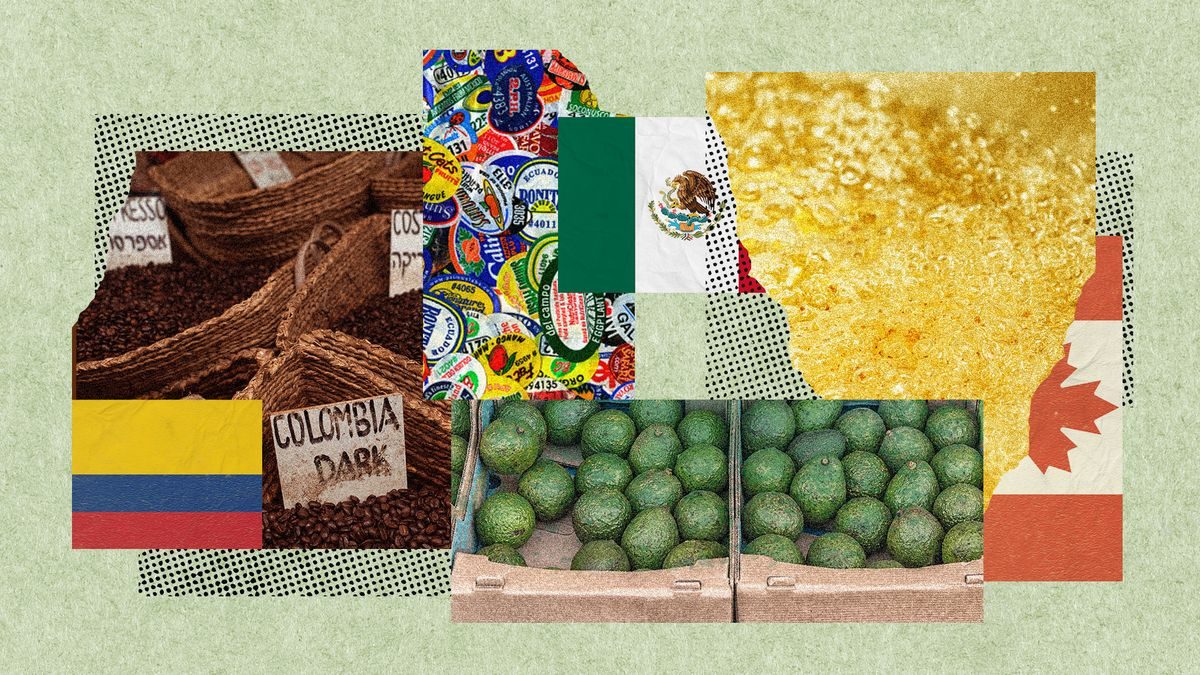
- Produce: Fresh fruits and vegetables often cross borders, and tariffs can complicate availability. For instance, avocados from Mexico or grapes from Chile could become pricier, leading consumers to seek out locally grown alternatives.
- Wine and Spirits: The wine industry has felt the pinch of tariffs, especially with European imports. This may encourage consumers to explore the burgeoning American wine market, particularly in regions like California and Oregon.
Changing Dining Experiences
As tariffs reshape the availability and pricing of food products, they also impact the dining experience across the nation. Restaurants, which are heavily reliant on a steady supply of affordable ingredients, must adapt to these changes or face the prospect of passing costs onto customers.
Many establishments have begun to emphasize local sourcing as a response to rising import prices. This shift not only supports local farmers but also enhances the freshness and quality of the dishes served. Diners are increasingly excited about farm-to-table concepts, where the menu reflects seasonal produce and local ingredients.
Moreover, the rise of food trucks and small eateries that focus on niche markets is a direct result of these changing dynamics. The culinary landscape is becoming more diverse as chefs and entrepreneurs experiment with flavors and ingredients that are locally sourced and less affected by tariffs.
Consumer Awareness and Preferences
Modern consumers are more aware of where their food comes from than ever before. Tariff wars have catalyzed this trend, prompting individuals to consider the implications of their purchasing choices. Shoppers are increasingly scrutinizing labels, seeking out products that are locally sourced or organic, and supporting businesses that prioritize sustainable practices.
This shift in consumer behavior has led to the growth of farmers’ markets, community-supported agriculture (CSA), and local food co-ops. These initiatives not only provide fresh produce but also foster a sense of community and connection between consumers and producers.
Innovations in the Food Industry
Faced with the challenges posed by tariffs, the American food industry is also innovating. Food manufacturers are exploring new ways to create products that rely less on imported ingredients. For example:
- Alternative Ingredients: Companies are experimenting with alternative sources for ingredients traditionally imported from abroad, such as using domestic grains in place of imported ones.
- Vertical Farming: Urban agriculture is on the rise, with vertical farms popping up in cities across the country. These farms can produce fresh produce year-round, independent of international supply chains.
- Food Technology: Innovations in food technology, such as lab-grown meats and plant-based alternatives, are expanding options for consumers and reducing reliance on imported animal products.
Looking Ahead: A New Culinary Landscape
As tariff wars continue to unfold, the future of America’s food culture remains uncertain but ripe with opportunity. The challenges posed by tariffs may lead to a renaissance in American cuisine, characterized by a renewed emphasis on local sourcing, sustainability, and culinary innovation.
While the immediate effects of tariffs may lead to increased prices and reduced availability of certain foods, the long-term implications could foster a more resilient and diverse food system. Chefs and home cooks alike will have the chance to explore new flavors and techniques, adapting to a landscape that is constantly evolving.
Conclusion
The culinary showdown brought on by tariff wars is not merely an economic issue; it is a cultural one that will shape how Americans eat and think about food. As we navigate these changes, it is essential to remain optimistic and adaptable. By embracing local foods, supporting sustainable practices, and exploring innovative culinary trends, we can turn the challenges of tariff wars into opportunities for a richer, more diverse food culture in America.
In summary, while the implications of these tariffs on popular food products may seem daunting, they also present a chance for growth, creativity, and a deeper connection to the food we consume. The culinary landscape is indeed in flux, but with each challenge comes the potential for a reimagined future.
See more BuzzFeed Insider