The Body Positivity Movement: Is It Losing Its Momentum?
The body positivity movement has been a significant social initiative, advocating for the acceptance of all body types and challenging traditional beauty standards. However, as we navigate through the complexities of modern society, many observers are questioning whether this movement is losing its momentum. In this article, we will explore the factors contributing to this potential decline and what it signifies for future generations.
Understanding the Body Positivity Movement
The body positivity movement emerged in the early 2000s, primarily as a response to the unrealistic beauty standards perpetuated by media and society. It aimed to foster an environment where individuals of all sizes, shapes, and backgrounds could feel confident and accepted in their own skin. This movement celebrated diversity and encouraged self-love, often emphasizing that beauty comes in various forms.
Over the years, the movement gained traction, leading to a broader discussion about body image, mental health, and societal expectations. However, as we approach the mid-2020s, there are growing concerns that the body positivity movement might be losing its influence. Let’s delve into some of the key factors contributing to this shift.
Commercialization of Body Positivity
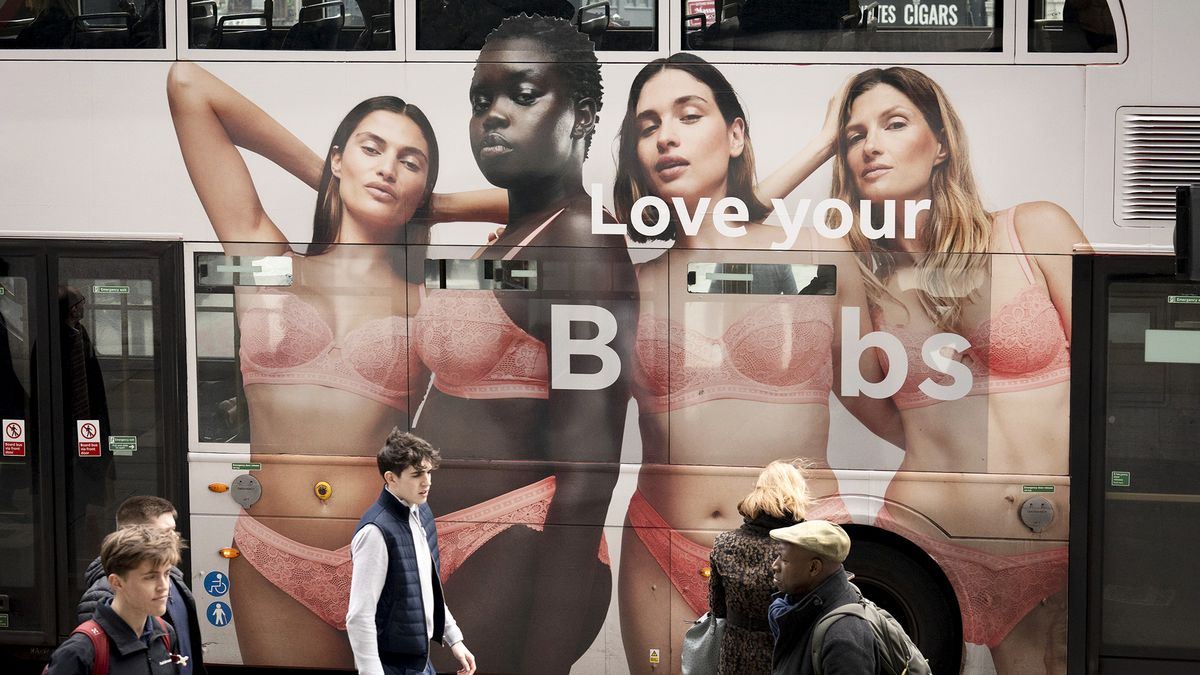
One of the most significant challenges facing the body positivity movement is its commercialization. As brands and influencers began to adopt the language of body positivity, many critics argue that the core message has been diluted. Companies often use body-positive messaging to sell products, leading to accusations of ‘performative’ advocacy.
- Misalignment of Values: Many brands that promote body positivity may not genuinely support the movement’s ideals. Instead, they often focus on profit, using diverse body representations as marketing tactics.
- Superficial Engagement: Some influencers engage with body positivity only on a surface level, failing to address the deeper societal issues surrounding body image and self-acceptance.
This commercialization can create a perception that body positivity is merely a trend rather than a crucial social movement, which may contribute to its declining momentum.
Backlash Against Body Positivity
Despite its positive intentions, the body positivity movement has faced significant backlash. Critics argue that it sometimes promotes unhealthy lifestyles by normalizing obesity and discouraging discussions about health and wellness. This criticism can be particularly pronounced in online spaces, where debates about body image can become heated and divisive.
- Health Concerns: Some health professionals express concern that emphasizing body positivity could lead to neglecting health issues associated with obesity or poor body image.
- Polarization: The movement can create a divide between those who advocate for body acceptance and those who promote traditional fitness and health ideals, leading to a lack of constructive dialogue.
This backlash can hinder the movement’s ability to unite people under a common cause, potentially stalling progress and reducing its overall impact.
The Rise of New Movements
As societal norms evolve, new movements advocating for body diversity and acceptance are emerging. Some of these movements focus on specific issues like fitness inclusivity, mental health, or cultural representation, which can sometimes overshadow the original body positivity movement.
- Health at Every Size (HAES): This approach emphasizes that individuals can pursue health and wellness regardless of their body size, which sometimes contrasts with body positivity’s broader acceptance of all forms.
- Fat Liberation Movement: This movement focuses specifically on the rights and dignity of larger bodies, calling for systemic change rather than individual acceptance.
While these movements are essential in their own right, they can fragment the body positivity message, leading to perceptions that the original movement is losing influence.
The Role of Social Media
Social media has been both a powerful ally and a formidable foe to the body positivity movement. On one hand, platforms like Instagram and TikTok have provided spaces for individuals to share their stories and celebrate their bodies. On the other hand, they can also perpetuate unrealistic standards and harmful comparisons.
- Highlight Reel Culture: Social media often showcases a curated version of reality, where individuals post only their best moments. This can lead to feelings of inadequacy among those who struggle with body image.
- Body Shaming: Despite the message of acceptance, body shaming remains prevalent online, which can discourage individuals from embracing their bodies.
This contradictory role of social media can confuse the message of body positivity, making it harder for the movement to maintain momentum.
What Lies Ahead for Body Positivity?
Despite the challenges facing the body positivity movement, there is still hope for its future. The core principles of acceptance, diversity, and self-love remain relevant and necessary. Here are some potential ways to revitalize and strengthen the movement:
- Focus on Authenticity: Encouraging individuals and brands to engage with body positivity authentically can help restore its credibility and effectiveness.
- Inclusive Dialogues: Broadening the conversation to include various perspectives, including health discussions, can foster a more comprehensive understanding of body image.
- Community Building: Strengthening community ties can help people feel supported and validated, encouraging more individuals to share their stories of self-acceptance.
Ultimately, the body positivity movement can evolve to meet the needs of contemporary society while maintaining its foundational principles. By addressing the challenges head-on and fostering authentic conversations, there is a path forward that can inspire future generations to embrace their bodies and celebrate diversity.
Conclusion
The body positivity movement has made significant strides in challenging societal beauty standards and promoting self-acceptance. However, as it faces new challenges and criticisms, it is essential to examine its trajectory critically. While some may argue that the movement is losing momentum, the fundamental need for acceptance and diversity remains strong. By adapting to the changing landscape and fostering authentic engagement, the body positivity movement can continue to empower individuals and inspire future generations.
See more BuzzFeed Insider