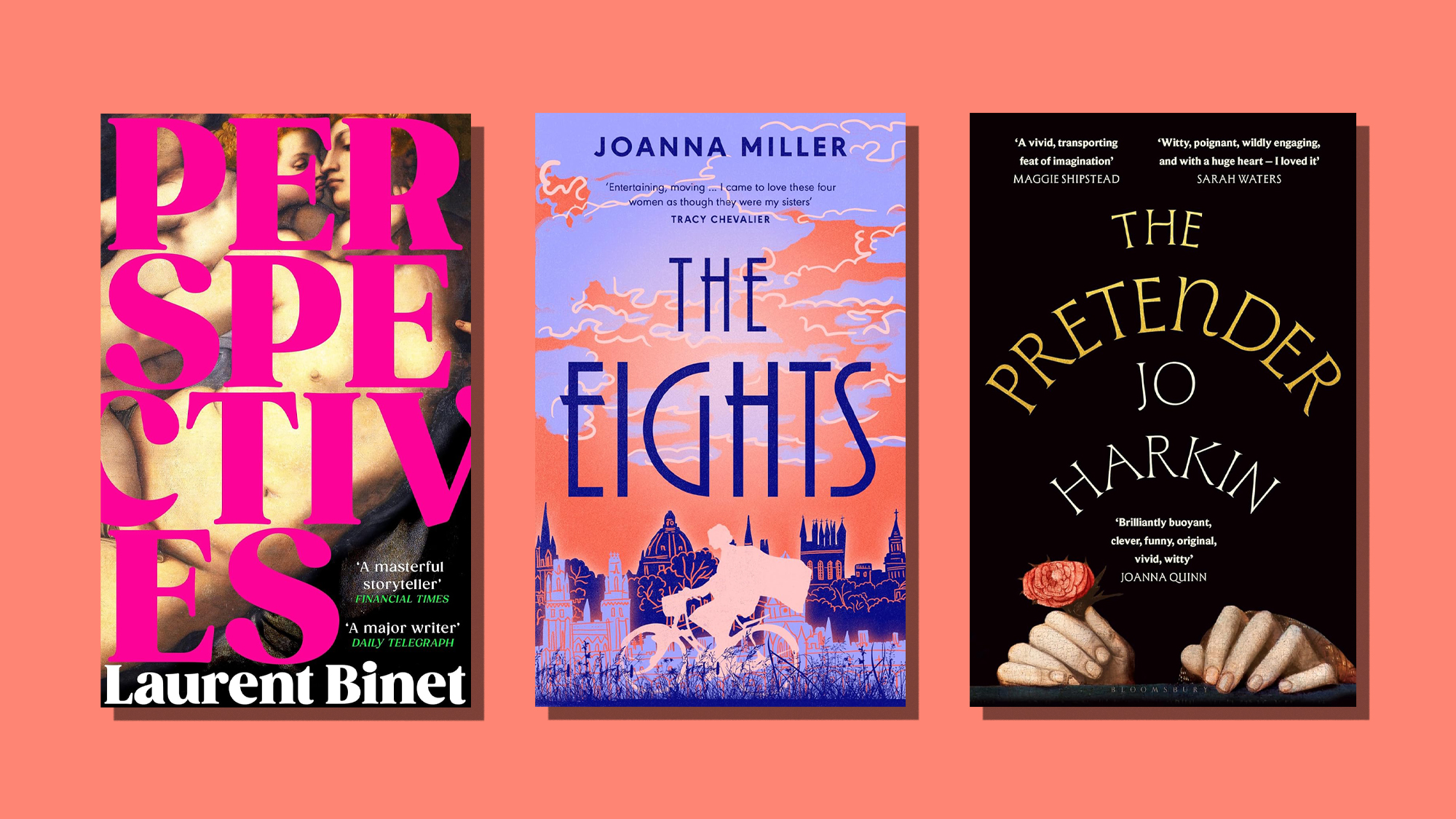
Unveiling the Top Historical Fiction Novels of 2025: A Literary Journey
In 2025, historical fiction continues to enthrall readers with vivid recreations of pivotal moments in time. This year’s standout novels blend meticulous research with imaginative storytelling, offering fresh perspectives on both familiar and overlooked events. From debut authors to established literary voices, these works promise to transport audiences across centuries and continents, proving the genre’s enduring appeal.
The Resurgence of Historical Fiction in 2025
Historical fiction has seen a 22% surge in global sales since 2020, according to the International Publishers Association. Industry experts attribute this growth to readers’ craving for escapism and context during turbulent times. “The genre acts as a mirror,” says Dr. Elena Martinez, a literature professor at Oxford University. “It allows us to process contemporary challenges through the lens of history while delivering compelling narratives.”
This year’s releases span diverse eras and cultures, with notable trends including:
- Untold perspectives: Stories centering marginalized voices, such as Indigenous communities and women in war.
- Blended genres: Historical fantasy and mystery hybrids gaining traction.
- AI-assisted research: Authors leveraging technology to uncover obscure historical details.
2025’s Must-Read Historical Fiction Novels
1. The Silk Road’s Daughter by Lian Zhao
Set in 8th-century Tang Dynasty China, Zhao’s debut follows a merchant’s daughter who disguises herself as a man to traverse the Silk Road. Praised for its lush prose and feminist themes, the novel has already been optioned for a Netflix series. “Zhao’s attention to sensory detail—the scent of spices, the texture of silk—immerses readers completely,” notes The New York Times Book Review.
2. Beneath the Berlin Wall by Klaus Reinhardt
Reinhardt’s Cold War thriller, told through alternating timelines (1989 and 2025), explores a journalist’s quest to uncover a buried Stasi secret. Based on declassified documents, the novel has sparked discussions about modern parallels to surveillance states. Historical consultant Petra Weber calls it “a masterclass in tension and authenticity.”
3. The Firekeeper by Mariah Blackwood
This Indigenous-led narrative reimagines the 1666 Great Fire of London through the eyes of a Mohawk diplomat visiting England. Blackwood, a historian of Mohawk descent, spent three years researching colonial archives. The result, says Literary Hub, is “a revelatory corrective to Eurocentric history.”
Emerging Voices and Niche Perspectives
Smaller presses dominate this year’s trend of spotlighting overlooked histories. Saltwater Chronicles (Blue Margin Press), about 19th-century Filipino pearl divers, and The Librarian of Alexandria (Heritage Books), a speculative take on Hypatia’s legacy, exemplify the shift toward niche narratives. “Readers want stories that challenge the dominant historical canon,” observes literary agent Fatima Naseem.
Meanwhile, audiobook adaptations are pushing creative boundaries. Penguin Random House’s immersive audio version of The Bronze Horseman (2025 re-release) incorporates archival soundscapes, from Napoleonic battle noises to salon music.
Controversies and Criticisms
Not all 2025 releases have been universally acclaimed. Empire’s Shadow, a British Raj-era romance, faced backlash for allegedly romanticizing colonialism. Author Rajiv Malhotra defended the work as “intentionally ambiguous,” but the debate underscores historical fiction’s ethical tightrope. “Writers must balance artistic license with responsibility,” asserts cultural critic Dr. Amina Diallo.
Conversely, some praise the genre’s educational potential. A Stanford University study found that 68% of history teachers now assign historical fiction to supplement textbooks, citing improved student engagement.
The Future of Historical Fiction
As augmented reality (AR) books enter the market—like the AR-enhanced Pompeii: Last Day—publishers predict interactive historical storytelling will grow. Yet traditional novels remain resilient. “No technology can replace the human connection in these stories,” says bestselling author Hilary Mantel in her final interview before retiring.
For readers eager to explore 2025’s offerings, librarians recommend starting with local book clubs or virtual author Q&As. As the year unfolds, these novels promise not just entertainment, but bridges to understanding our shared past—and present.
Call to Action: Which historical period fascinates you most? Share your pick for 2025’s standout novel on social media using #HistoryThroughFiction.
See more BuzzFeed Insider