BBC Presenter Faces Hinge Ban Amidst Wave of Catfish Complaints
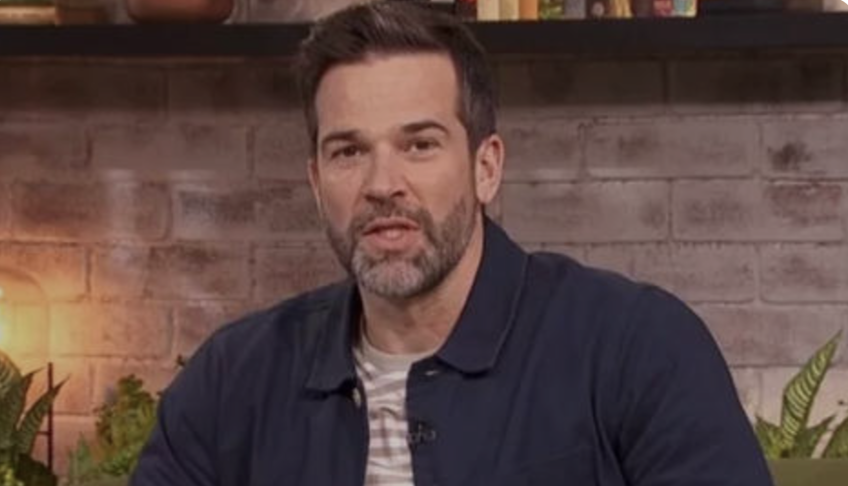
A popular BBC presenter has recently found themselves banned from the Hinge dating app, following an alarming surge in complaints regarding mistaken identity. Over 300 reports of catfishing have raised significant concerns about the safety and integrity of online dating platforms. This incident not only highlights the perils associated with digital misrepresentation but also fosters a broader conversation about the challenges of maintaining trust in the online dating landscape.
Understanding the Catfishing Phenomenon
Catfishing, a term that has gained traction in recent years, refers to the act of creating a false identity online to deceive others, often for romantic or financial gain. The BBC presenter’s situation is a stark reminder of how easily one can fall prey to such deceit. The term has become synonymous with online dating, where profiles can be easily manipulated, leading to a wave of mistrust among users.
- Identity Theft: Using someone else’s images or details to create a deceptive profile.
- False Intentions: Many catfishers aim to exploit emotional vulnerabilities for personal gain.
- Emotional Impact: Victims of catfishing often experience feelings of betrayal and loss.
In the case of the BBC presenter, the situation escalated to the point where their identity was co-opted by others, leading to a flood of complaints from unsuspecting users who believed they were interacting with the real person. This not only tarnishes the presenter’s reputation but also adds to the growing body of evidence that online dating requires more stringent verification processes.
The Role of Online Dating Apps
Online dating apps like Hinge have revolutionized the way people connect. However, with convenience comes responsibility. Dating platforms must implement robust measures to safeguard their users from catfishing and other fraudulent activities.
Some potential measures include:
- Profile Verification: Implementing a system where users can verify their identity through official documents or social media accounts.
- AI Monitoring: Leveraging artificial intelligence to detect suspicious behavior or mismatched images.
- User Education: Providing resources and tips on how to recognize catfishing and protect oneself online.
As the BBC presenter faces the consequences of this catfishing scandal, it is clear that the responsibility does not lie solely with the individuals but also with the platforms that facilitate these connections. Hinge, along with other dating apps, must continually evolve to ensure user safety.
Legal and Ethical Implications
The incident involving the BBC presenter also opens up a legal and ethical dialogue regarding digital identity and privacy. With the rise of catfishing, questions arise about how much responsibility dating apps should bear for the actions of their users. Should platforms be held liable when users create fraudulent profiles? Or is it the responsibility of individuals to conduct due diligence before engaging with others online?
In many jurisdictions, laws surrounding digital identity theft and impersonation are still evolving. As online interactions become more commonplace, it is crucial for lawmakers to catch up and create regulations that protect individuals from such deceitful acts. Ethical considerations also come into play; dating apps must prioritize user safety and integrity in their operations.
Personal Experiences and Insights
As someone who has navigated the complexities of online dating, I can attest to the importance of vigilance and awareness. While many users genuinely seek companionship, the anonymity of the internet can attract those with less than honorable intentions. My experiences have underscored the necessity for thorough verification and communication before meeting someone in person.
Here are some tips based on personal experience to help users avoid falling victim to catfishing:
- Research: Take the time to Google your match’s name or images to see if they appear elsewhere on the internet.
- Video Chats: Suggest a video call before meeting in person to confirm their identity.
- Trust Your Instincts: If something feels off, don’t hesitate to walk away.
The Path Forward
The wave of catfish complaints surrounding the BBC presenter serves as a catalyst for change within online dating communities. It underscores the pressing need for enhanced safety measures and accountability from dating platforms. As users, we must also take proactive steps to protect ourselves and foster a culture of honesty and transparency in our online interactions.
In conclusion, while the digital dating landscape can be fraught with challenges, it is essential to approach it with a blend of optimism and caution. Learning from incidents like the one involving the BBC presenter can help shape a safer and more enjoyable experience for all users. The online dating world is evolving, and with it, our approaches to safety, verification, and genuine connection must evolve too.
As we move forward, embracing technology alongside vigilance can create a more trustworthy environment for those seeking meaningful relationships. Responsible usage and continuous dialogue about online safety can help mitigate the risks associated with catfishing, ensuring that the quest for love remains a positive experience for everyone involved.
See more BuzzFeed Insider