Unveiling the Dual Nature of Aluminum Foil
Aluminum foil is an everyday item that often gets overlooked in the kitchen. Many people are familiar with its primary use—wrapping food to keep it fresh or to prevent it from burning in the oven. However, the truth is that aluminum foil has a dual nature, with two distinct sides that serve different purposes. In this article, we will uncover the surprising versatility of aluminum foil and explore practical uses you may never have considered, making your culinary and household tasks even more efficient.
Understanding the Two Sides of Aluminum Foil
At first glance, aluminum foil appears to be just a thin sheet of metal. Nevertheless, a closer look reveals that it has a shiny side and a dull side. This difference is not merely aesthetic; it plays a crucial role in how aluminum foil functions in various applications.
The Shiny Side
The shiny side of aluminum foil is created during the manufacturing process. When the foil is rolled out, the final pass involves two sheets being rolled together. The outer surfaces of these sheets become shiny, while the inner surfaces remain dull. The shiny side reflects heat, making it particularly useful in certain cooking techniques.
The Dull Side
Conversely, the dull side has a more matte finish. This side is less reflective and absorbs heat more effectively. While both sides can be used interchangeably for most applications, understanding their unique properties can enhance your cooking methods and food storage practices.
Practical Uses of Aluminum Foil: Kitchen Applications
Now that we’ve established the differences between the two sides of aluminum foil, let’s dive into some practical kitchen applications that make the most of these properties.
1. Cooking and Baking
Aluminum foil can be a chef’s best friend in the kitchen. Here are a few ways to use it effectively:
- Roasting Vegetables: Use the dull side when wrapping vegetables for roasting. This side absorbs heat better, allowing your veggies to cook evenly and develop a delicious caramelization.
- Covering Dishes: When covering dishes to retain moisture in the oven, use the shiny side facing outward. This reflects heat back into the food, ensuring it cooks through without drying out.
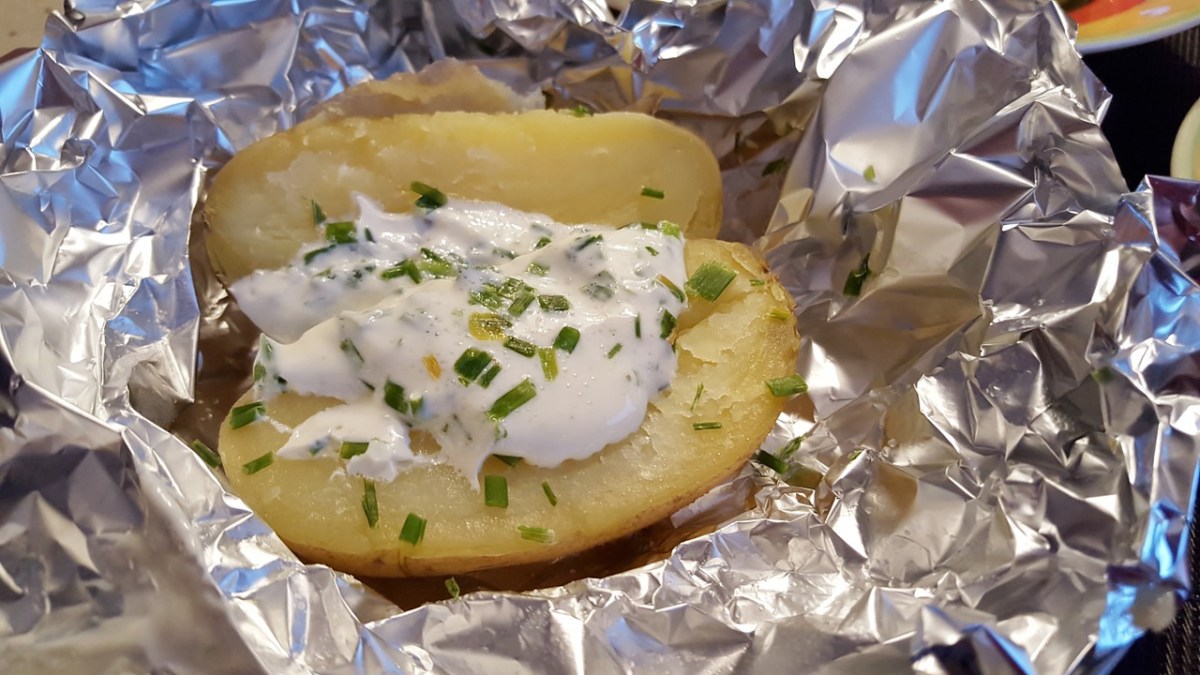
- Grilling: Use aluminum foil to create pouches for grilling delicate items like fish. Place the shiny side facing the food to keep heat concentrated and minimize sticking.
2. Food Storage
Keeping food fresh is another area where aluminum foil excels. Here’s how to maximize its effectiveness:
- Wrapping Leftovers: Always use the dull side when wrapping leftovers. This allows for better moisture retention, keeping food fresher for longer.
- Freezing Foods: Wrap meats and other perishables tightly in foil with the dull side facing inward to help reduce freezer burn.
3. Preventing Messes
Aluminum foil can help keep your kitchen tidy:
- Line Baking Sheets: Line your baking sheets with shiny side up to minimize mess and make cleanup a breeze.
- Covering Bowls: When marinating foods, cover your bowls with aluminum foil to keep the flavors locked in while allowing the ingredients to breathe.
Creative Uses Beyond the Kitchen
Aluminum foil isn’t just for cooking. Its versatility extends into various aspects of daily life. Here are some creative uses you may not have considered:
1. Crafting and DIY Projects
Aluminum foil can be a surprising ally in arts and crafts. Here are some ideas:
- Creating Structures: Use aluminum foil to build lightweight models or sculptures. Its malleability makes it perfect for shaping.
- Foil Paintings: Create textured art by using aluminum foil as a base. Paint over the foil for a unique finish.
2. Household Hacks
Aluminum foil can also be used for various household tasks:
- Sharpening Scissors: Fold a piece of aluminum foil several times and cut through it with dull scissors to restore their edge.
- Static Cling Reduction: Ball up a piece of aluminum foil and toss it into your dryer to reduce static cling in your clothes.
3. Gardening Aids
Believe it or not, aluminum foil can also assist in your gardening efforts:
- Scaring Away Pests: Hang strips of aluminum foil around your garden to deter birds and other pests with its reflective surface.
- Seedling Protection: Create small barriers with foil to protect young plants from harsh weather conditions.
Best Practices for Using Aluminum Foil
To make the most of aluminum foil’s dual nature, keep these best practices in mind:
- Choose the Right Side: Remember to use the shiny side for heat-reflective applications and the dull side for moisture retention.
- Avoid Contact with Acidic Foods: Aluminum foil can react with acidic foods like tomatoes or citrus. It’s best to avoid wrapping these directly in foil.
- Recycling: When finished, aluminum foil is recyclable. Just ensure it’s clean and free from food residue before tossing it in the recycling bin.
Conclusion
Aluminum foil is much more than a simple kitchen staple. By understanding its dual nature and the practical uses of both the shiny and dull sides, you can enhance your cooking, streamline your household tasks, and even engage in creative projects. From roasting vegetables to crafting, aluminum foil proves to be an incredibly versatile tool. So, the next time you reach for that roll of foil, remember the myriad of possibilities it brings to your kitchen and beyond!
See more BuzzFeed Insider