Uncovering the Hidden Flaws that Make Coins Valuable
Coins have been a part of human civilization for thousands of years, serving as currency, collectors’ items, and historical artifacts. While most people may think of coins as simple tools for transactions, the world of numismatics reveals a much more intricate reality. Among the fascinating aspects of coin collecting are the hidden flaws that can significantly elevate a coin’s value. In this article, we will dive into the captivating world of coin errors and explore the common types of flaws that collectors and investors should be aware of to enhance their collections.
What Are Coin Flaws?
Coin flaws, often referred to as “errors,” arise during the minting process and can range from minor imperfections to significant defects that drastically affect a coin’s appearance. These flaws can make certain coins highly sought after by collectors, sometimes fetching prices far above their face value. Understanding these hidden flaws is crucial for anyone interested in numismatics, whether you’re a seasoned collector or just starting.
Common Types of Coin Errors
There are several types of errors that can occur during the minting process. Here are some of the most common ones that can add considerable value to a coin:
- Minting Errors: These occur when there is a problem during the coin’s production, leading to various irregularities.
- Double Strikes: This happens when a coin is struck twice, resulting in an overlapping image. Coins with double strikes can be exceptionally valuable.
- Off-Center Strikes: An off-center strike occurs when the coin blank is not correctly aligned during the minting process, leading to a portion of the design being cut off.
- Wrong Planchet: Sometimes, a coin might be struck on a planchet intended for another denomination or type. This can create highly collectible and valuable errors.
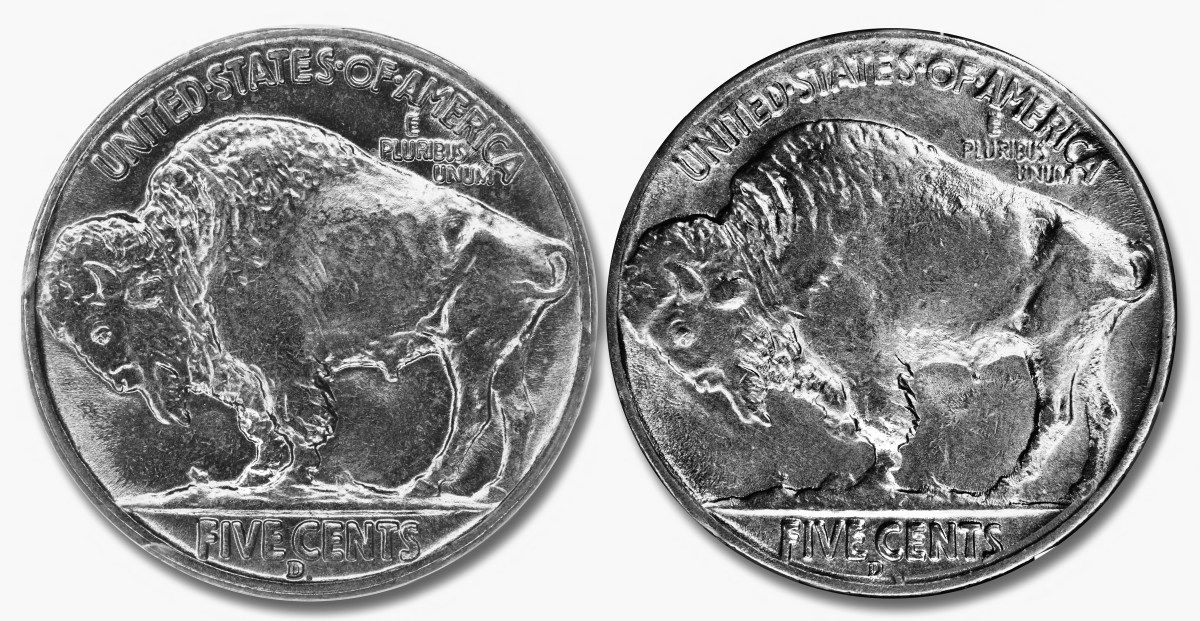
- Die Cracks: These are visible cracks that appear on the surface of the coin due to wear and tear on the die used to strike the coin. Coins with prominent die cracks can be quite desirable.
- Die Rotation: This occurs when the die is not aligned correctly, causing the image on the coin to be rotated. Depending on the degree of rotation, these coins can be highly sought after.
Why Do Flaws Increase Coin Value?
The value of a coin is determined by several factors, including rarity, demand, and condition. Flaws can create uniqueness, and collectors often seek out these errors because they are not commonly found in standard mint releases. Here are a few reasons why these hidden flaws can elevate a coin’s worth:
- Rarity: The rarity of a flawed coin often drives its value. The fewer coins produced with a specific error, the more valuable it tends to be.
- Collector Demand: Coin enthusiasts are always on the lookout for unique pieces to add to their collections. Flawed coins can pique interest and command higher prices.
- Historical Significance: Some coins with flaws can provide insights into the minting process, making them historically significant and valuable.
How to Identify Valuable Coin Flaws
Identifying valuable coin flaws requires a keen eye and a bit of knowledge. Here are some tips to help you uncover hidden errors in your collection:
- Examine the Coin Closely: Use a magnifying glass or jeweler’s loupe to inspect the coin’s surface for signs of errors, such as double strikes or off-center designs.
- Familiarize Yourself with Variants: Study different types of coins and their common flaws. Understanding what to look for can increase your chances of finding valuable pieces.
- Consult Reference Books: There are many numismatic guides that detail specific errors and their values. Keeping a reference book handy can aid in identification.
- Join a Numismatic Community: Engaging with other collectors can provide valuable insights and help you learn more about identifying errors.
Where to Buy and Sell Error Coins
If you’re looking to start or expand your collection of error coins, knowing where to buy and sell them is essential. Here are some avenues to consider:
- Coin Shows: Attending coin shows is a fantastic way to meet dealers, other collectors, and find unique coins.
- Online Auctions: Websites like eBay or specialized auction sites provide platforms for buying and selling error coins.
- Local Coin Dealers: Building a relationship with a local coin dealer can also help you find valuable error coins and sell your collection.
The Importance of Professional Grading
When it comes to error coins, grading plays a vital role in determining value. Professional grading services, such as the Professional Coin Grading Service (PCGS) or the Numismatic Guaranty Corporation (NGC), assess the condition and authenticity of coins. Here’s why professional grading is important:
- Expert Evaluation: Grading experts can accurately assess the quality and authenticity of coins, providing a trustworthy appraisal.
- Increased Value: Professionally graded coins often sell for higher prices than ungraded ones due to increased buyer confidence.
- Protection: Graded coins come encapsulated in protective holders, safeguarding them from damage and preserving their condition.
Conclusion
The world of numismatics is rich with history, art, and opportunity, especially when it comes to uncovering hidden flaws that make coins valuable. By understanding the different types of coin errors and how to identify them, you can enhance your collection significantly. Whether you’re looking to invest or simply enjoy the beauty of coins, keeping an eye out for these hidden treasures can lead to exciting discoveries. Remember, each coin tells a story, and within those stories lie the hidden flaws that can elevate their worth in the eyes of collectors and investors alike.
See more BuzzFeed Insider