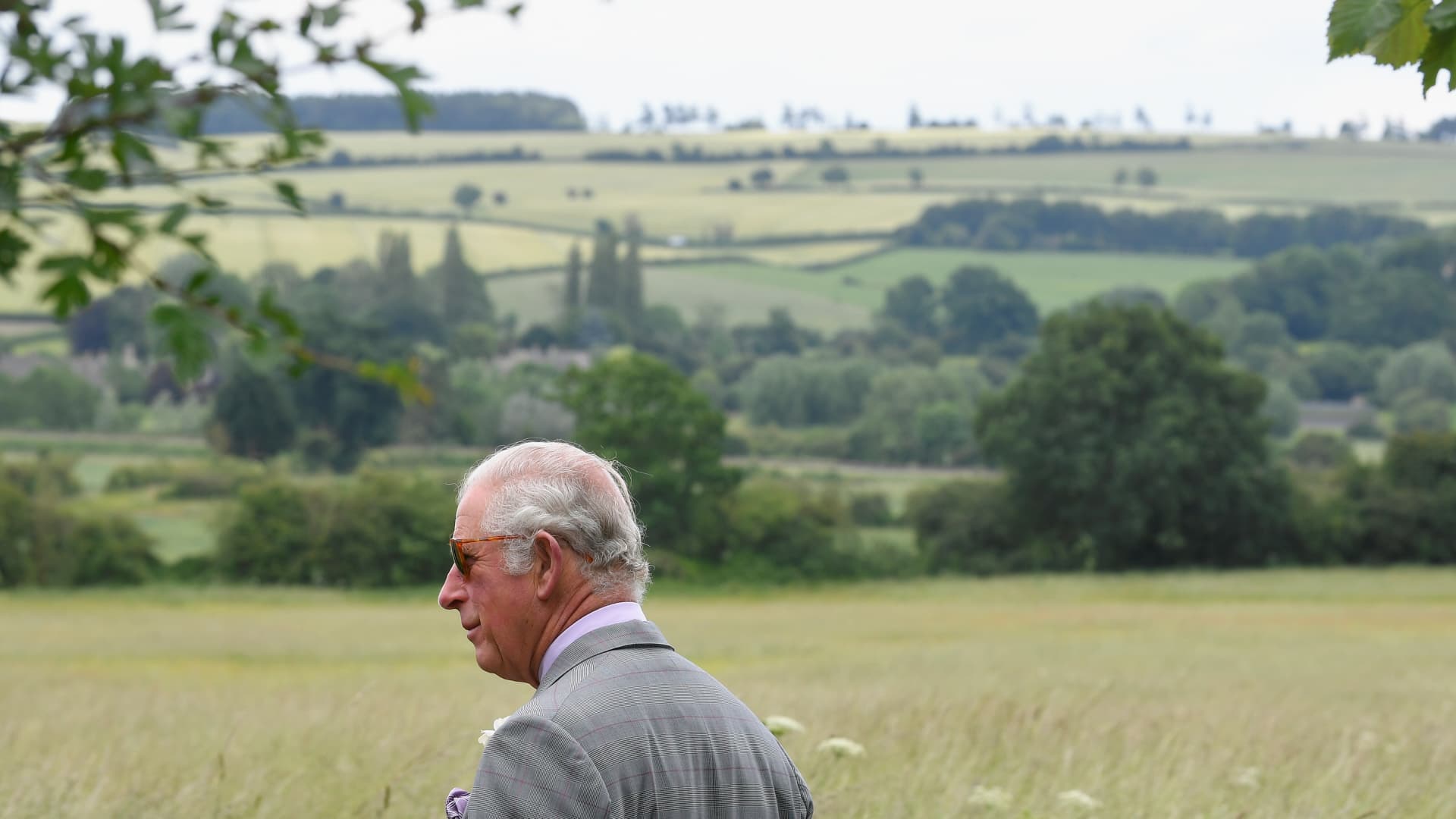
Inside the Sustainable Farm Adored by King Charles III
In a world increasingly concerned about climate change and environmental sustainability, the agricultural practices we adopt are more critical than ever. One notable example of eco-conscious farming is a sustainable farm beloved by King Charles III, where traditional agricultural methods beautifully intertwine with innovative, cutting-edge techniques. This farm is not merely a model for sustainability; it’s revolutionizing agriculture and setting a new standard for eco-friendly practices worldwide.
The Vision Behind the Farm
King Charles III has long been an advocate for sustainable farming. His commitment to the environment is reflected in his support for this particular farm, which embodies a vision of harmony between nature and agriculture. Located in the picturesque countryside, this farm serves as a living testament to how agriculture can evolve to meet the challenges of today while preserving the environment for future generations.
The farm employs a slew of sustainable practices that highlight the importance of biodiversity, soil health, and animal welfare. These practices not only boost productivity but also enhance ecosystems, making agriculture a force for good in the fight against climate change.
Innovative Techniques: The Role of Mob-Grazing
One of the standout techniques utilized on the farm is mob-grazing, a method that exemplifies the blend of traditional and modern farming practices. Mob-grazing involves herding livestock into a small area for short periods, allowing them to graze on the grass before moving them to a new section. This method has several benefits:
- Soil Health: The grazing patterns of livestock help to aerate the soil, improve nutrient cycling, and promote the growth of diverse plant species.
- Pasture Recovery: By allowing pastures to rest and recover, mob-grazing ensures that the grass can regrow more robustly, which increases overall pasture productivity.
- Carbon Sequestration: Healthier soils can capture and store carbon, making mob-grazing a significant strategy in combating climate change.
King Charles III’s endorsement of mob-grazing underscores its importance in modern sustainable agriculture. It’s a prime example of how traditional practices can be revitalized with innovative techniques to create a more resilient farming system.
Agroforestry: A Holistic Approach
Another innovative approach adopted on the farm is agroforestry, which integrates trees and shrubs into agricultural landscapes. This practice offers multiple benefits, including:
- Biodiversity Enhancement: Agroforestry promotes a diverse ecosystem that supports various wildlife, leading to healthier farms.
- Improved Microclimates: Trees provide shade and shelter for crops and livestock, moderating temperatures and reducing stress on plants and animals.
- Soil Conservation: Tree roots help prevent soil erosion, maintain soil structure, and improve water retention.
The intersection of trees and crops not only boosts yields but also creates a more resilient agricultural system that can better withstand climate variability.
Organic Practices: Going Beyond Certification
While many farms may claim to be organic, the practices implemented on this sustainable farm go above and beyond mere certification. This farm emphasizes a holistic approach to organic farming, focusing on:
- Natural Pest Management: By fostering an environment rich in beneficial insects and wildlife, the farm minimizes the need for synthetic pesticides.
- Crop Rotation: Rotating crops helps to break pest cycles, improve soil fertility, and reduce the risk of disease.
- Composting and Natural Fertilizers: The farm utilizes composting techniques to recycle organic matter, enriching the soil without relying on chemical fertilizers.
This commitment to organic practices not only produces healthier food but also contributes to the overall well-being of the surrounding ecosystem.
Community Engagement and Education
The sustainable farm adored by King Charles III is not just a secluded agricultural haven; it actively engages with the community. Educational programs and workshops are frequently held to share knowledge about sustainable practices. These initiatives aim to:
- Raise Awareness: Educating the public about the benefits of sustainable farming helps foster a culture of environmental consciousness.
- Encourage Local Involvement: By inviting community members to participate in farm activities, the farm nurtures a sense of connection between people and the land.
- Promote Local Food Systems: The farm supports local markets by supplying fresh, organic produce, strengthening community ties and reducing food miles.
Through these efforts, the farm is cultivating not just crops but also a community dedicated to sustainability and environmental stewardship.
The Economic Benefits of Sustainable Farming
While the environmental benefits are crucial, the economic advantages of sustainable farming practices are equally significant. The farm demonstrates that sustainable agriculture can be profitable through:
- Diverse Revenue Streams: By incorporating various crops and livestock, the farm reduces financial risks associated with market fluctuations.
- Value-Added Products: The farm produces artisanal goods, such as cheese and preserves, which can command higher prices in local markets.
- Tourism and Agritourism: The farm attracts visitors who are eager to learn about sustainable practices, providing an additional income source.
These economic benefits highlight that sustainable farming is not just a noble pursuit; it can also be a viable business model.
Conclusion: A Model for the Future
Inside the sustainable farm adored by King Charles III, tradition and innovation come together to revolutionize agriculture. Through practices like mob-grazing, agroforestry, and organic farming, this farm exemplifies how agriculture can be both productive and environmentally friendly. Moreover, its commitment to community engagement and education is paving the way for a new generation of environmentally-conscious farmers.
The lessons learned from this farm are invaluable as we face the pressing challenges of climate change and food security. By embracing sustainable farming practices, we can create a healthier planet for ourselves and future generations. King Charles III’s support for such initiatives serves as a beacon of hope, inspiring others to follow in this sustainable path and revolutionize agriculture for a brighter, greener future.
See more BuzzFeed Insider