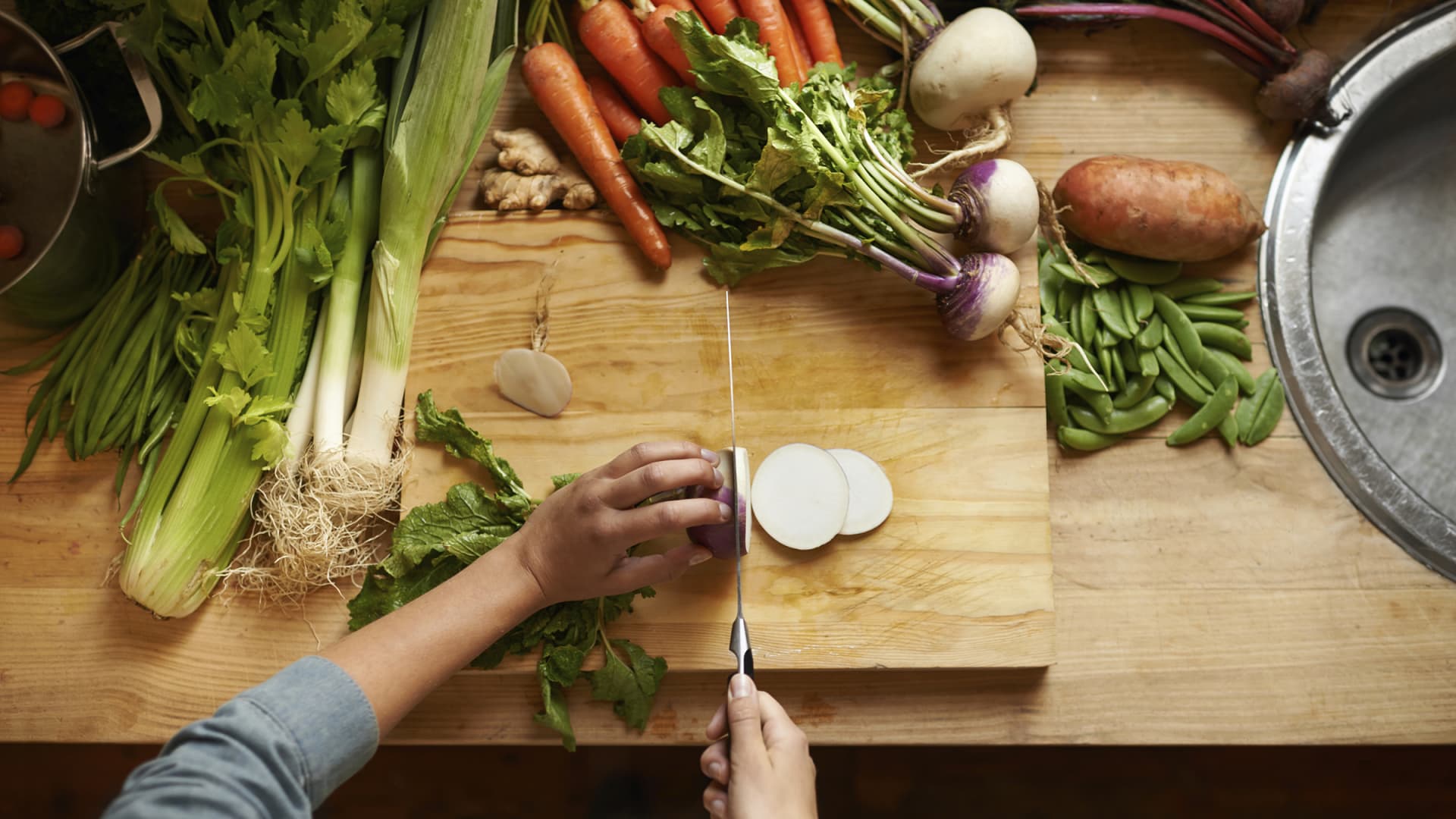
Unlocking Culinary Savings: What Home Cooks Waste Money On
In the world of home cooking, many enthusiasts believe they have a good handle on their kitchen expenses. However, a seasoned Michelin-star chef has revealed that there are often overlooked areas where home cooks waste money. By transforming kitchen habits, it’s possible to unlock significant savings while still enjoying the culinary experience. This article will delve into the common pitfalls that lead to wasted resources in the kitchen and provide practical insights that can reshape your cooking journey.
Understanding the Overlooked Expenses in Home Cooking
It’s easy to assume that high-quality ingredients and fancy gadgets are the main culprits behind inflated grocery bills. However, the reality is more nuanced. Here are several areas where home cooks frequently waste money:
- Buying Excessive Ingredients: Many home cooks tend to purchase more ingredients than they actually need. This can lead to spoilage and waste, especially with perishable items.
- Investing in Fancy Gadgets: While high-end kitchen tools can be appealing, they often go underutilized. Home cooks may find that simpler, versatile tools can perform just as well.
- Ignoring Seasonal Produce: Purchasing out-of-season fruits and vegetables can significantly increase grocery bills. Seasonal produce is often fresher and more affordable.
- Underestimating Meal Planning: Without a solid meal plan, it’s easy to make impulse buys, leading to purchasing items that go unused.
- Neglecting Leftovers: Many cooks prepare more food than they can consume, resulting in leftover ingredients that are eventually discarded.
Analyzing the Costs of Over-Purchasing Ingredients
One of the most common areas where home cooks waste money is in the over-purchasing of ingredients. It’s tempting to stock up on items during sales, but this can lead to a fridge full of expired products. Here are some strategies to avoid this pitfall:
- Inventory Check: Regularly assess what you have in your pantry and fridge. This helps prevent duplicate purchases.
- Buy in Smaller Quantities: Especially for perishable items, buying smaller amounts can reduce waste.
- Utilize a Shopping List: Always go grocery shopping with a list to stick to essential items only.
The Hidden Costs of Kitchen Gadgets
Kitchen gadgets can make cooking more enjoyable, but they can also lead to unnecessary expenditures. A high-end food processor might seem like a worthy investment, but if it collects dust on the shelf, it’s a wasted expense. Consider these tips:
- Assess Your Needs: Before buying a gadget, ask yourself if you’ll use it frequently. Multifunctional tools often provide better value.
- Read Reviews: Look for reviews that highlight practical uses of kitchen tools to help guide your purchases.
Embracing Seasonal and Local Produce
Another avenue for saving money in the kitchen is to embrace seasonal and local produce. Not only is this often more affordable, but it also enhances the flavor of your dishes. Here are some benefits:
- Cost Efficiency: Seasonal items are usually cheaper due to their abundance.
- Freshness: Local produce is often harvested at its peak, ensuring better flavor and nutritional value.
- Support Local Farmers: Purchasing from local markets contributes to the community and promotes sustainable practices.
Meal Planning: A Key to Culinary Savings
One of the most effective strategies for reducing kitchen expenses is meal planning. This approach involves organizing meals for the week ahead, which can help curb impulse buys and minimize waste. Here’s how to get started:
- Plan Around Sales: Check weekly grocery store ads and plan meals based on items on sale.
- Batch Cooking: Prepare larger portions of meals that can be refrigerated or frozen for later consumption.
- Incorporate Leftovers: Design meals that use up leftover ingredients from previous dishes.
Making the Most of Leftovers
Leftovers can often be a source of frustration for home cooks, as they may go unused and end up being tossed out. However, with a little creativity, leftovers can be transformed into delicious new meals. Consider the following:
- Creative Reuse: Turn leftover roasted vegetables into a hearty soup or use extra rice in a stir-fry.
- Storage Solutions: Invest in quality storage containers to keep leftovers fresh and encourage usage.
- Plan for Leftovers: When cooking, intentionally make extra portions and incorporate them into your meal plan.
Utilizing Smart Shopping Strategies
Effective shopping strategies can also contribute significantly to your culinary savings. Here are some tips to consider:
- Buy in Bulk: Purchasing non-perishable items in bulk can often save money, but ensure you’ll use them before they expire.
- Use Coupons and Discounts: Take advantage of coupons, loyalty programs, and store discounts.
- Compare Prices: Use apps or websites to compare prices across different stores to find the best deals.
Conclusion: Transforming Your Culinary Practices
By recognizing and addressing common areas of waste, home cooks can unlock significant savings in their culinary endeavors. From smarter ingredient purchasing and meal planning to embracing leftovers and seasonal produce, every small change contributes to a more economical cooking experience. As you apply these insights, not only will you save money, but you’ll also discover a more satisfying and sustainable approach to home cooking. It’s time to reshape your kitchen habits and enjoy the dual benefits of culinary creativity and financial savings.
See more BuzzFeed Insider