Mastering the Mind: Unlocking Sudoku Puzzles for Mental Agility
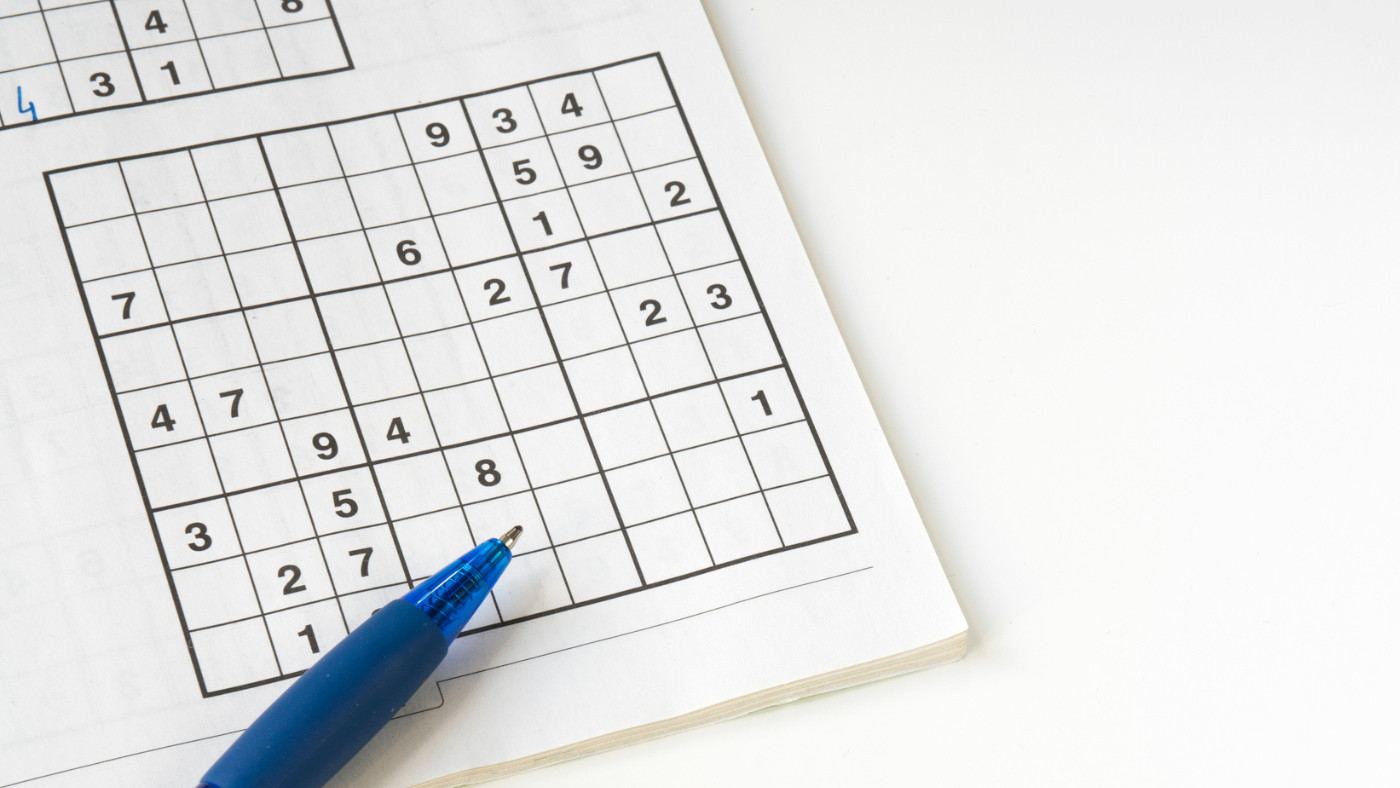
Sudoku, the deceptively simple number puzzle, has become a global phenomenon for boosting cognitive health. Originating in 18th-century Switzerland and popularized in Japan during the 1980s, this logic-based game now engages millions daily. Research reveals that tackling medium-level Sudoku puzzles enhances memory, concentration, and problem-solving skills by stimulating neural connections. Experts suggest that just 15 minutes daily can yield measurable mental benefits.
The Science Behind Sudoku and Cognitive Benefits
A 2019 study by the University of Exeter found that adults who regularly solved number puzzles had brain function equivalent to eight years younger than their chronological age. Sudoku activates the prefrontal cortex, responsible for decision-making and logical reasoning. Dr. Elena Rodriguez, a neuroscientist at Stanford University, explains: “Sudoku forces the brain to recognize patterns, test hypotheses, and adapt—skills transferable to real-world challenges.”
Key cognitive benefits include:
- Improved memory retention by exercising short-term recall
- Enhanced problem-solving speed through systematic elimination
- Reduced stress levels by promoting focused attention
Strategies for Conquering Medium-Level Sudoku
While beginners rely on single-number elimination, medium puzzles demand advanced tactics. Seasoned players recommend:
- Scanning rows and columns to identify missing numbers
- Using “pencil marking” to note potential candidates
- Applying the “X-Wing” technique to eliminate possibilities across grids
Michael Chen, a Sudoku championship finalist, advises: “Treat each puzzle like a chess game—anticipate three moves ahead. Medium puzzles often hide interconnected patterns.” A 2022 survey by Puzzle Society showed that 68% of players improved their solve times by 40% after mastering these strategies.
Debunking Common Sudoku Myths
Despite its popularity, misconceptions persist. Contrary to belief, Sudoku doesn’t require mathematical prowess but logical deduction. Additionally, while apps provide convenience, paper puzzles may offer greater cognitive benefits by reducing screen fatigue. Some argue that crosswords surpass Sudoku for vocabulary building, but studies indicate Sudoku better enhances spatial reasoning.
The Future of Puzzle-Based Brain Training
As digital platforms integrate AI to generate adaptive puzzles, researchers explore Sudoku’s potential in delaying neurodegenerative diseases. The NIH is funding a five-year study on puzzle therapy for early-stage dementia patients. Meanwhile, educators are piloting Sudoku in classrooms to strengthen STEM skills.
For those ready to elevate their mental fitness, starting with 10-minute daily sessions using reputable puzzle books or apps like Sudoku.com can build lasting habits. The next time you face a 9×9 grid, remember: each number placed isn’t just solving a puzzle—it’s rewiring your brain.
See more BuzzFeed Insider