The Perfect Boil: Unlocking the Science Behind Cooking Eggs to Perfection
Boiling eggs might seem like a simple task, but achieving the perfect boil is an art form that combines science and culinary skill. Whether you prefer soft-boiled eggs with a runny yolk or hard-boiled eggs with a firm texture, understanding the science behind cooking eggs can enhance your culinary prowess. Recent research has shed light on the optimal methods for boiling eggs, providing insights that every home cook should know.
The Science of Egg Cooking
Eggs are composed primarily of proteins and water. When heated, the proteins in eggs undergo a process called denaturation, where they unfold and then coagulate, ultimately forming the solid structure we associate with cooked eggs. The temperature and duration of cooking play pivotal roles in determining the final texture of the egg. Here are some key points to consider:
- Temperature: The cooking temperature is crucial. Proteins begin to denature at around 140°F (60°C), while coagulation occurs at higher temperatures. For soft-boiled eggs, the ideal temperature is around 180°F (82°C).
- Timing: The duration of cooking affects the doneness. For soft-boiled eggs, a cooking time of 6 to 7 minutes is typically recommended, while hard-boiled eggs need about 9 to 12 minutes.
- Egg Size: The size of the egg can also impact cooking time. Larger eggs may require a minute or two longer to reach the desired consistency.
Preparing for the Perfect Boil
Before you begin boiling your eggs, it’s essential to prepare properly. Here’s a step-by-step guide to ensure you achieve that perfect boil:
- Select High-Quality Eggs: Fresh eggs will yield the best results. Look for eggs that are clean, uncracked, and stored at a consistent temperature.
- Bring Eggs to Room Temperature: If your eggs have been refrigerated, allow them to sit at room temperature for about 30 minutes. This helps prevent cracking during boiling.
- Use the Right Pot: Choose a pot that can accommodate the number of eggs you plan to boil, ensuring they fit in a single layer. Overcrowding can lead to uneven cooking.
The Boiling Process
Now that you’re set up for success, let’s dive into the boiling process itself. Here’s how to boil eggs to perfection:
- Fill the Pot: Add enough water to cover the eggs by about an inch. Salt can be added to the water to help prevent cracking and make peeling easier.
- Heat the Water: Bring the water to a rolling boil over medium-high heat.
- Introduce the Eggs: Using a slotted spoon, gently lower the eggs into the boiling water to prevent them from cracking.
- Set the Timer: Once the eggs are in, set the timer according to your desired doneness:
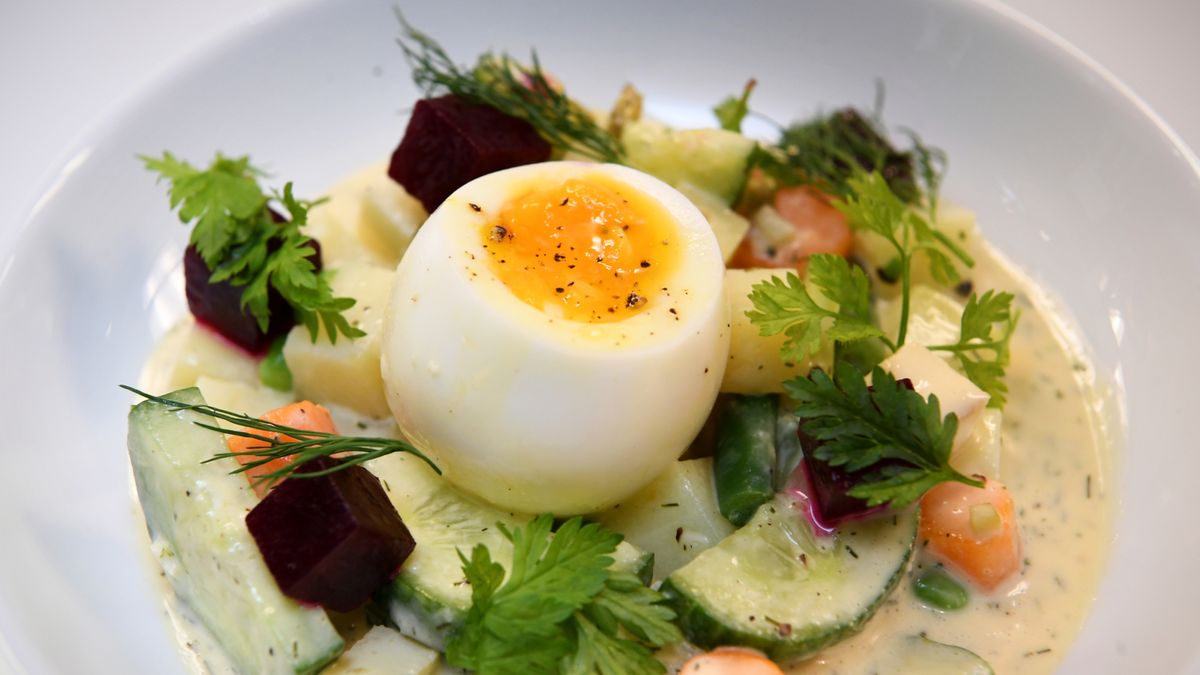
- Soft-boiled: 6-7 minutes
- Medium-boiled: 8-9 minutes
- Hard-boiled: 10-12 minutes
Common Mistakes to Avoid
Even with the right technique, there are common pitfalls that can lead to disappointing results. Here are a few mistakes to watch out for:
- Overcooking: Leaving eggs in boiling water for too long can lead to a greenish-gray ring around the yolk and a rubbery texture.
- Skipping the Ice Bath: Failing to cool the eggs quickly can result in overcooked yolks and difficulty peeling.
- Not Accounting for Altitude: If you live at a high altitude, water boils at a lower temperature, which may require you to adjust your cooking times.
Peeling Your Eggs
After achieving the perfect boil, the next step is peeling the eggs. Here are some tips to help you peel eggs easily:
- Use Older Eggs: Fresher eggs can be harder to peel. If possible, use eggs that are a week or two old.
- Crack and Roll: Gently crack the egg on a hard surface and roll it to create small cracks all over the shell. This helps loosen the membrane.
- Start at the Wider End: Begin peeling at the larger end of the egg, where there’s often an air pocket that makes it easier to start.
Exploring Egg Variations
Once you’ve mastered the basic boiling technique, you might want to explore different styles of boiled eggs. Here are some variations:
- Soft-Boiled Eggs: Perfect for dipping toast soldiers or adding to ramen.
- Hard-Boiled Eggs: Ideal for salads, snacks, or deviled eggs.
- Tea Eggs: A flavorful variation where hard-boiled eggs are cracked and simmered in a spiced tea broth.
Conclusion
Achieving the perfect boil takes practice, but with the right knowledge and techniques, you can master the art of boiling eggs. Understanding the science behind cooking eggs not only enhances your culinary skills but also opens up a world of possibilities in the kitchen. So, whether you’re preparing a simple breakfast or an elaborate dish, remember—the perfect boil is just a few minutes away!
By delving into the science of egg cooking, you’re not just following a recipe; you’re engaging with the fundamental principles of food preparation. Happy boiling!
See more BuzzFeed Insider