Rescued from the Snow: The Role of Drone Operators in Locating Lost Animals
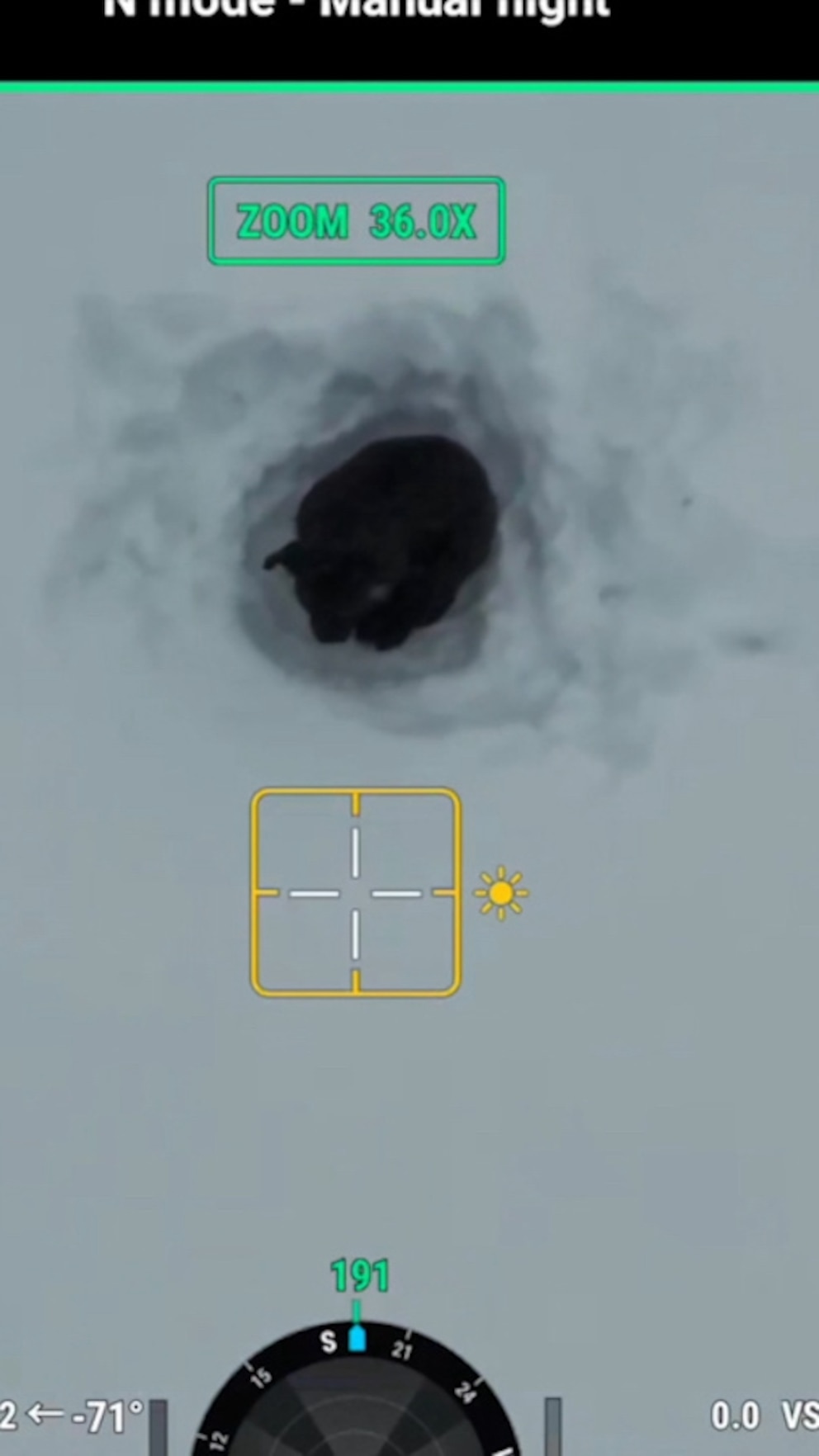
In an inspiring tale of technology and compassion, a skilled drone operator used innovative aerial techniques to locate a dog stranded in deep snow. This remarkable rescue highlights the growing role of drones in search and rescue operations, showcasing how modern technology can bridge the gap between despair and hope. Drones have increasingly become vital tools in various fields, and their application in animal rescue missions demonstrates their versatility and effectiveness.
The Incident: A Dog Lost in the Snow
On a frigid winter afternoon, a small community found itself gripped by anxiety when a beloved family dog, Max, went missing during a snowstorm. The heavy snowfall blanketed the region, making it nearly impossible for traditional search methods to be effective. Max’s owner, Sarah, was devastated and feared the worst. Many community members rallied to help, but despite their best efforts, the dog remained lost.
As hours turned into a day, Sarah decided to reach out to a local drone operator, Jake, who had gained recognition for his impressive skills and experience in aerial reconnaissance. With a reputation for using drones in search and rescue operations, Jake was eager to assist in finding Max.
How Drones Revolutionize Search and Rescue
The use of drones in search and rescue missions has surged in recent years. These unmanned aerial vehicles (UAVs) offer several advantages over traditional search methods:
- Aerial Perspective: Drones can cover large areas quickly and provide a unique vantage point, allowing operators to see what would otherwise be hidden from ground view.
- Thermal Imaging: Many drones are equipped with thermal cameras that can detect body heat, making it easier to locate animals or people in cold conditions.
- Reduced Risk: Deploying drones minimizes the need for volunteers to traverse potentially dangerous terrain, especially during inclement weather.
- Cost-Effective: Drones are often more economical than helicopters or other aircraft, allowing for budget-friendly rescue operations.
Jake arrived at the location and prepared his drone for flight. He was equipped with a thermal imaging camera, which would prove crucial in the search for Max. The snow-covered landscape presented challenges, but Jake was determined to locate the missing dog.
The Search Begins
As Jake launched his drone into the sky, he meticulously scanned the area. The high-resolution camera provided real-time footage, and the thermal imaging capabilities allowed him to detect any warmth emanating from the snow-covered ground. With Sarah and other community members watching anxiously, the drone soared higher, revealing a vast expanse of white.
After several minutes of searching, Jake spotted a small heat signature a few hundred yards away. The excitement in the air was palpable as he maneuvered the drone closer for a better look. There, nestled in the snow, was Max, shivering but alive. The sight filled everyone with relief and joy.
A Successful Rescue
With the location of Max identified, Jake quickly relayed the information to Sarah and the other volunteers on the ground. They rushed to the spot, following the drone’s flight path. Upon reaching Max, they were overjoyed to see him. Sarah scooped her beloved dog into her arms, tears of happiness streaming down her face.
This successful rescue not only marked the culmination of a tense search but also highlighted the profound impact that technology can have in emergency situations. Jake’s expertise and the drone’s capabilities brought Max back to safety, showcasing the potential of drones in similar scenarios.
Community Impact and Future of Drone Usage
The news of Max’s rescue quickly spread throughout the community, igniting discussions about the increasing use of drones in various fields, including emergency response, wildlife conservation, and disaster relief. Communities began to recognize the value of drone operators and the technology at their disposal.
As the story gained traction, local authorities began considering the implementation of drone programs specifically for search and rescue operations. This initiative would not only enhance their capabilities but would also train volunteers in drone operation, ensuring a network of skilled individuals ready to assist in emergencies.
Lessons Learned and Best Practices
From this heartwarming rescue, several lessons emerged regarding the effective use of drones in search and rescue missions:
- Training and Certification: Ensuring that drone operators are well-trained and certified can maximize the success rate of search missions.
- Community Awareness: Educating the community about the capabilities of drones can enhance collaboration during search efforts.
- Equipment Maintenance: Regular checks and maintenance of drones are crucial for reliability, especially in emergency situations.
- Collaboration with Local Authorities: Establishing partnerships with local emergency services can streamline operations and improve response times.
Conclusion: A Bright Future for Drones in Rescue Operations
The rescue of Max from the snow is a testament to the innovative spirit of communities and the power of technology. As drone operators like Jake demonstrate their skills and commitment to helping others, the future of aerial search and rescue operations looks promising. This event not only saved a life but also opened the door to more significant advancements in technology and community collaboration.
As drones continue to evolve, their applications in various fields will undoubtedly expand, leading to more successful rescues and enhanced safety for both animals and humans alike. The story of Max serves as a reminder of the profound impact that compassion, technology, and community can have when they come together for a common cause.
See more BuzzFeed Insider