Inside the Mindset of America’s Doomsday Preppers
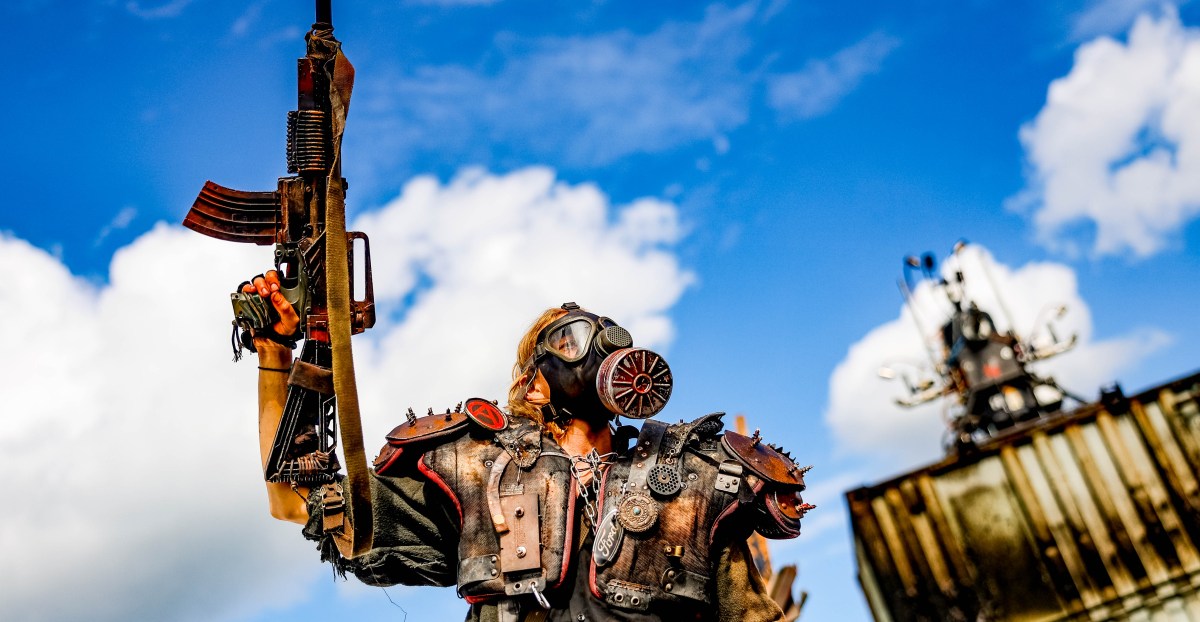
In basements, rural compounds, and suburban homes across America, a growing subculture of doomsday preppers is quietly preparing for catastrophic scenarios—from economic collapse to nuclear war. These individuals and families stockpile food, learn survival skills, and invest in off-grid living solutions, driven by a mix of fear, self-reliance, and skepticism of societal stability. With an estimated 20 million Americans identifying as preppers, this movement reflects deeper anxieties about modern vulnerabilities.
The Motivations Behind Prepping
Preppers cite a range of motivations, from personal trauma to global trends. For some, natural disasters like Hurricane Katrina or the COVID-19 pandemic were wake-up calls. Others point to political polarization, climate change, or cyber threats. “It’s not paranoia if you’re prepared,” says David Kessler, a former Marine turned prepping instructor. “History shows civilizations do collapse. The question is when, not if.”
A 2022 Pew Research study found that 39% of Americans have taken steps to prepare for emergencies, with 15% engaging in “deep prepping”—investing significant time and resources. Psychologists attribute this to the “preparedness paradox“: the safer societies become, the more vulnerable people feel to rare but high-impact events.
Strategies and Investments
Prepping ranges from practical disaster kits to extreme measures like underground bunkers. Common strategies include:
- Food and Water Storage: Many aim for a 6-12 month supply, using freeze-dried meals and rainwater systems.
- Security Measures: Firearms training and reinforced shelters are prioritized by those fearing civil unrest.
- Skill Development: Gardening, medical training, and energy generation (e.g., solar panels) are seen as critical.
The prepper industry, valued at $8.5 billion annually, capitalizes on these fears. Companies like MyPatriotSupply and ReadyWise sell survival gear, while expos attract thousands seeking expertise. “It’s insurance,” explains survivalist Lynn Thompson. “You hope you’ll never need it, but you’ll regret not having it if you do.”
Cultural and Social Implications
While often stereotyped as fringe, prepping intersects with mainstream concerns. The Federal Emergency Management Agency (FEMA) recommends a 3-day supply of essentials—a far cry from prepper standards but a nod to preparedness. Critics argue the movement fosters isolationism. “There’s a difference between resilience and retreat,” says sociologist Dr. Emily Carter. “Community networks save more lives than solo bunkers.”
Yet preppers counter that self-reliance is community-oriented. Groups like the American Preppers Network share knowledge and barter systems. “We’re not waiting for the government,” says member Rachel Holt. “We’re ensuring our families—and neighbors—survive.”
The Future of Prepping
As climate disasters and geopolitical tensions rise, prepping is gaining traction among younger, urban demographics. Apps like Prepper Link offer digital tools, while TikTok influencers normalize “gentle prepping” (e.g., pantry organization). The line between prudence and alarmism blurs as threats feel more tangible.
Ultimately, the doomsday prepper phenomenon mirrors societal fault lines. Whether viewed as cautionary or extreme, their mindset challenges assumptions about safety and interdependence. For those curious about preparedness, FEMA’s Ready.gov offers a balanced starting point—because in an uncertain world, a little planning might not hurt.
See more BuzzFeed Insider