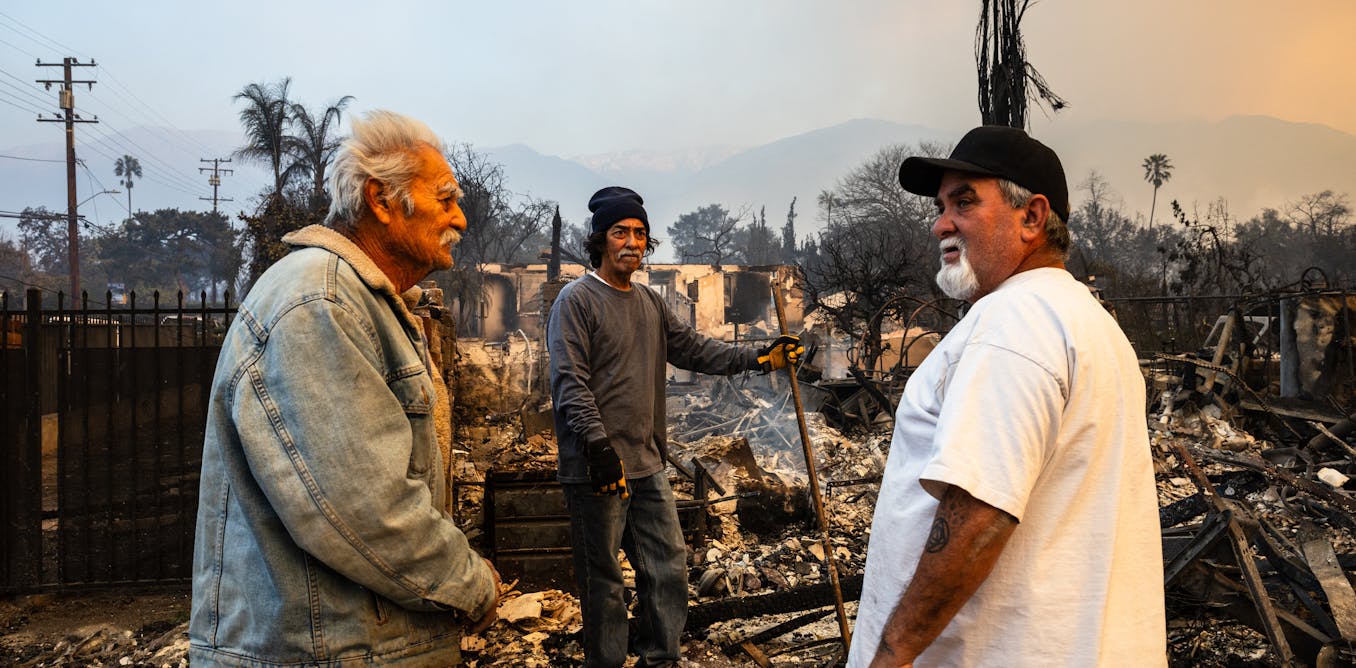
Reimagining Resilience: Building Safer Cities in California Post-Wildfires
As California continues to face the consequences of its increasingly frequent wildfires, the pressing need to reimagine urban environments has never been clearer. The devastation left in the wake of these disasters underscores the importance of building communities that are not only safer but also more resilient and inclusive. This article explores innovative strategies for creating safer cities in California, focusing on affordability, sustainability, and community engagement.
The Current Landscape: Understanding the Impact of Wildfires
Wildfires have become a harsh reality for Californian residents, with recent years witnessing unprecedented fire seasons. According to the California Department of Forestry and Fire Protection, over 4 million acres burned in 2020, affecting countless lives and properties. The aftermath of these disasters often leaves communities grappling with loss and uncertainty, and this is where the concept of resilience comes into play.
Resilience in urban planning refers to the ability of a community to withstand and recover from adverse events. In California, this involves not only rebuilding what has been lost but also enhancing the safety and livability of urban spaces. The goal is to create environments that can handle the stresses imposed by wildfires while ensuring that all residents, especially the workforce, can afford to live and thrive in these areas.
Innovative Strategies for Building Safer Cities
To build safer cities in California post-wildfires, a multifaceted approach is necessary. Below are some innovative strategies that can help reshape urban landscapes:
- Fire-Resistant Infrastructure: Utilizing fire-resistant materials and designs in new constructions can significantly reduce vulnerability to wildfires. This includes using non-combustible materials for roofs, siding, and decks, as well as creating defensible spaces around properties.
- Community-Centric Planning: Engaging local communities in the planning process ensures that the needs and voices of residents are considered. This collaborative approach can lead to the development of spaces that foster community resilience, such as parks and gathering areas that double as emergency shelters.
- Sustainable Landscaping: Implementing xeriscaping and native plant landscaping can help create fire-resistant green spaces while conserving water. Communities can benefit from educational programs that teach residents about maintaining their landscapes to minimize fire risk.
- Smart Technology Integration: Leveraging technology such as fire detection systems, drones for monitoring, and apps for community alertness can enhance response times during wildfire events. Smart city initiatives can also help manage resources more efficiently.
- Affordable Housing Initiatives: As urban areas are rebuilt, it’s crucial to incorporate affordable housing solutions that cater to the workforce. This can include mixed-income developments, co-housing arrangements, and support for first-time homebuyers.
Affordability: A Pillar of Resilient Communities
One of the most significant challenges in rebuilding California’s urban environments is ensuring that they remain affordable for all residents. The rising cost of living in many Californian cities often pushes essential workers out of the communities they serve. To combat this, several strategies can be employed:
- Inclusionary Zoning: Policies that require a percentage of new developments to be designated as affordable housing can help maintain economic diversity within neighborhoods.
- Community Land Trusts: These nonprofit organizations can help communities acquire and manage land for affordable housing, ensuring long-term affordability and stability.
- Financial Assistance Programs: Expanding programs that provide down payment assistance, rental support, and homebuyer education can empower individuals to find and secure affordable housing options.
Creating Inclusive Spaces for All
Inclusivity is a critical element of resilience. As cities rebuild, they must ensure that all community members, regardless of socioeconomic status, have access to essential services and safe, welcoming public spaces. Here are some ways to promote inclusivity:
- Universal Design Principles: Incorporating universal design in public spaces ensures that they are accessible to everyone, including individuals with disabilities. This can include features like ramps, wide pathways, and accessible restrooms.
- Affordable Public Transportation: Developing robust public transit systems can help residents access job opportunities, healthcare, and education while reducing dependence on personal vehicles.
- Community Engagement Initiatives: Hosting forums, workshops, and collaborative planning sessions allows diverse voices to contribute to the design of their communities. This can lead to solutions that reflect the unique needs of all residents.
Learning from Past Experiences
In the aftermath of past wildfires, California has seen both successes and failures in its recovery efforts. Communities that have prioritized resilience in their rebuilding plans have often fared better. For instance, cities like Santa Rosa have adopted more stringent building codes and have embraced community-driven planning processes to ensure that recovery reflects the needs of its residents.
Moreover, the experiences gained from previous fire seasons have led to improved emergency response strategies, including better communication systems and preparedness drills. These lessons must continue to inform future strategies as the state faces the realities of climate change and its associated challenges.
Conclusion: A Vision for the Future
Reimagining resilience in California means not only rebuilding but also rethinking the very fabric of urban living. By prioritizing safety, affordability, and inclusivity, California can create communities that are equipped to face the challenges posed by wildfires and other disasters. The journey toward resilient cities is undoubtedly complex, but with innovative strategies and a commitment to community engagement, a brighter, safer future is within reach.
As the state continues to navigate the aftermath of wildfires, it is crucial to keep the conversation alive and advocate for policies and practices that foster resilience. Together, Californians can build a legacy of safety and inclusivity that ensures all residents can thrive, no matter what challenges lie ahead.
See more BuzzFeed Insider