Innovating Compassion: The Journey of a Teen Prodigy and a Shelter Dog
In an inspiring tale of creativity and compassion, a gifted teenager has harnessed the power of modern technology to make a tangible difference in the life of a shelter dog. This remarkable story showcases how a combination of innovation and empathy can lead to extraordinary outcomes, illustrating the profound impact one individual can have in the world. By using 3D printing technology, this young innovator has not only transformed the life of a dog but has also ignited a movement of compassion-driven innovation.
The Background: Understanding the Need
The story begins in a small animal shelter, where a dog named Max was brought after being found abandoned on the streets. Max, a spirited Labrador mix, faced a significant challenge: he had lost one of his hind legs due to an injury. While Max’s personality shone through his struggles, his mobility issues made it difficult for him to engage with other dogs and potential adopters. The shelter staff was dedicated to finding a solution that would help Max regain his mobility and, ultimately, his chance at a forever home.
Enter Sarah, a 17-year-old high school student with a passion for engineering and a heart full of compassion. After learning about Max’s plight during a volunteer session at the shelter, Sarah felt compelled to act. Her background in 3D printing—an emerging technology that allows for creating three-dimensional objects from digital models—provided her with the perfect tool to help Max.
3D Printing: A Game Changer for Animal Welfare
3D printing technology has revolutionized various fields, from manufacturing to healthcare. In the realm of animal welfare, it has emerged as a powerful tool for creating custom prosthetics and orthotics for pets in need. Unlike traditional methods, 3D printing allows for:
- Customization: Each prosthetic can be tailored to fit the unique anatomy of the animal, ensuring comfort and functionality.
- Cost-Effectiveness: 3D printing significantly reduces the cost of producing prosthetics compared to conventional methods.
- Quick Prototyping: Rapid design and printing capabilities enable faster iterations and adjustments, leading to better outcomes.
With these advantages in mind, Sarah set out to design and print a prosthetic leg for Max. Drawing from her knowledge and skills, she began the process of creating a device that would allow Max to walk, run, and play just like any other dog.
The Design Process: From Idea to Reality
The journey to create a 3D-printed prosthetic leg for Max was not without its challenges. Sarah started by taking precise measurements of Max’s remaining leg and the area where the prosthetic would attach. She utilized specialized software to create a digital model of the prosthetic, ensuring it would align perfectly with Max’s body.
After designing the initial model, Sarah printed a prototype using durable, lightweight materials. The first iteration was a test to check for fit and comfort. Throughout this process, she collaborated with veterinarians and 3D printing experts to refine the design and make necessary adjustments.
Community Involvement and Support
As news of Sarah’s project spread, the community rallied around her initiative. Local businesses donated materials, and fellow students offered their assistance. This collaborative spirit underscored the importance of community support in driving positive change. People from various backgrounds contributed, not only with resources but also with encouragement and motivation.
Sarah’s project also gained attention on social media, further amplifying its reach. Many animal lovers and tech enthusiasts became invested in Max’s journey, eagerly following updates on the prosthetic’s development. This online community became a source of inspiration, demonstrating how collective compassion can unite individuals around a common cause.
The Moment of Truth: Fitting the Prosthetic
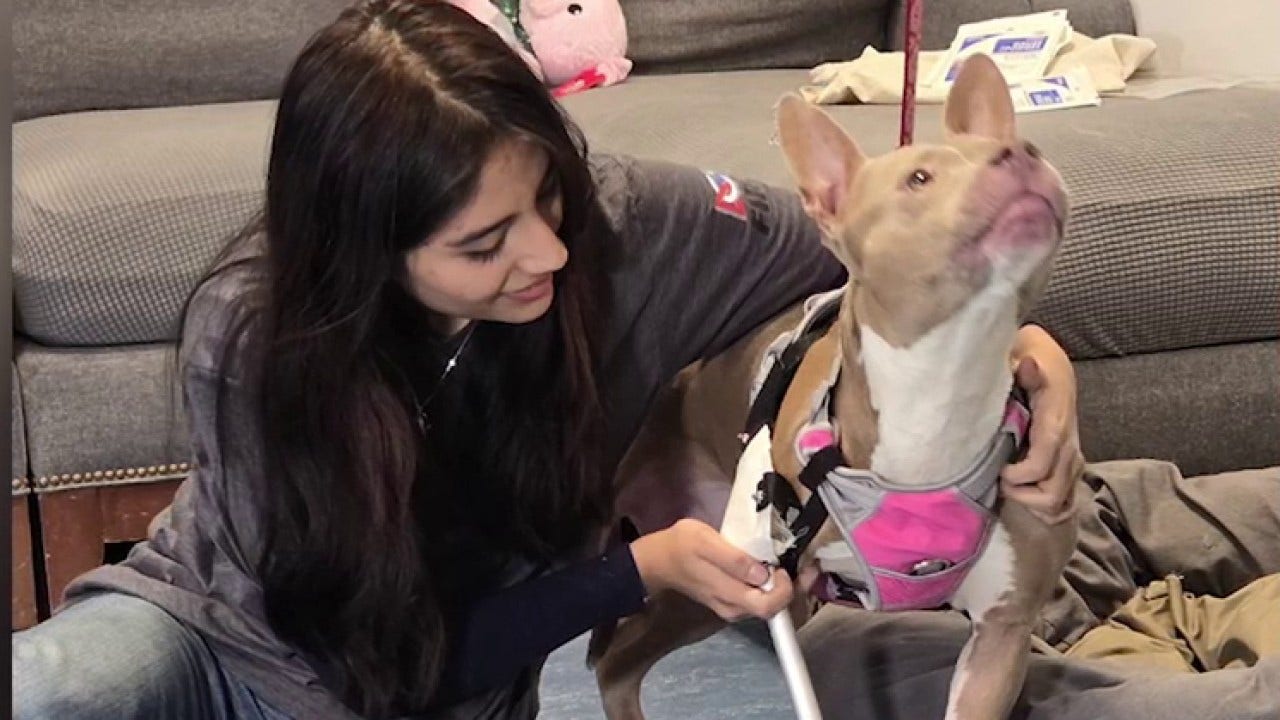
After weeks of hard work and dedication, the day finally arrived for Max to try on his new prosthetic leg. Sarah, accompanied by shelter staff and a veterinarian, carefully fitted the device onto Max. Nervous yet excited, she watched as Max took his first few tentative steps. The moment was filled with emotion—Max’s tail wagged vigorously, and his joyful bark echoed in the room as he began to realize he could move freely again.
This monumental achievement was not just a victory for Max but also an affirmation of Sarah’s efforts. The prosthetic allowed him to regain his mobility, making him more adoptable and giving him the chance to find a loving home. This transformation was a testament to the power of innovation fueled by compassion.
Impact Beyond the Prosthetic
Max’s story is not just about a prosthetic leg; it’s about the broader implications of innovation in animal welfare. Sarah’s initiative has raised awareness about the potential of 3D printing technology in creating solutions for animals with disabilities. It has sparked conversations about the ethical treatment of shelter animals and the need for innovative approaches to their care.
Moreover, Sarah’s journey serves as an inspiration for other young innovators. It illustrates how creativity, science, and compassion can intersect to create meaningful change. Her story encourages other teens to explore their passions and consider how they can use their skills for the greater good.
Looking Ahead: A Future of Compassionate Innovation
As Max found his forever home, Sarah’s work continued to inspire new projects aimed at helping other animals in need. She began collaborating with local veterinarians and animal shelters to develop additional 3D-printed solutions for other pets facing similar challenges.
The future looks bright for compassionate innovation. As technology continues to advance, the possibilities for improving the lives of animals are endless. Initiatives like Sarah’s underscore the importance of combining technical skills with empathy, paving the way for a generation of innovators dedicated to making a difference.
Conclusion: A Call to Action
Max’s journey from a shelter dog with a disability to a happy, adopted pet embodies the spirit of “Innovating Compassion.” It showcases the profound impact that one person’s creativity and compassion can have on the lives of others. As we reflect on this inspiring story, let it serve as a reminder that we all have the capacity to drive positive change, whether through technology, volunteerism, or simply showing kindness to those in need.
In a world that can often feel overwhelming, let’s embrace the spirit of innovation and compassion, and work together to create a more caring and inclusive society for all beings.
See more BuzzFeed Insider